Screws

Screws form the backbone of any successful construction project, providing the stability and strength required for any professional or DIY project. Whether you’re involved in carpentry, metalwork, furniture assembly or demanding industrial applications, choosing the right fasteners is crucial to the longevity and safety of your project.

At Geosantro, we stock a comprehensive range of high-quality assembly screws, such as Allen screws (DIN 912) and countersunk head screws. All our products are characterised by their precision in meeting specifications, excellent wear resistance and ease of installation, fully meeting the needs of every technician and professional in Cyprus.

Discover our wide range, place your orders online and enjoy free delivery throughout Cyprus on purchases over €50. What’s more, sign up as a business partner on our platform to gain access to preferential prices and additional discounts.

Find additional assembly parts: Wood Construction Screws | Iso1234 studs | Sheet metal screws | Security Nuts | Nuts | Plastic Clamps | Washers

Screws's Products

Showing all 5 results

You’ll find many different types of screws on the market, specially designed for various tasks. The most common are wood screws, sheet metal screws, Allen screws and self-tapping screws. Each type offers different advantages, so you should always choose the right type depending on the material of your project.

Screw numbers refer to their size category. There are several systems of legitimizing screw sizes, but the most common are the number system and the diameter system.

Number System: In this system, screws are categorized based on their number. For example, number 4 screws are smaller than number 8 screws. However, this system does not directly represent the size of the screw, but its position in the ranking.

Diameter System: In this system, screws are categorized based on their diameter. The metric measurement system is commonly used, where the diameter of the screw is measured in millimeters (eg M4, M8). This system is more accurate and determines the screw size more precisely.

Depending on the application and measurement system used in your area, screws may be listed either by numbers or by diameter.


Screws have a long history and cannot be attributed to a specific inventor. The first forms of screws date back to antiquity and were used in various cultural areas.

However, the principles of screws and spirals have been reported by many ancient cultures. The ancient Greeks, Romans and Egyptians had knowledge of the spiral and used similar shapes for connection and construction.

Along the way, screw manufacturing technologies and processes evolved, and the first screw patents were recorded during the 18th and 19th centuries.

Overall, the invention of screws was a result of the contribution of many cultures and technological developments throughout history.

The weight a screw can carry depends on many factors, including the type of screw, diameter, construction material, and the quality of the material attached to the screw.

The specifications and certifications that come with the screws usually provide information about their maximum strength.

The choice of screws depends on the needs and requirements of your project or construction. Below I provide you with some general types of screws that are popular and used in many applications:

  • Phillips head screws: These screws have a head with a “phillips” shaped notch (you can tell quickly by the cross on top). They are suitable for general use and widespread.
  • Torx Head Screws: These screws have a head with a “torx” (star shaped) slot. They offer better control and stability during application.
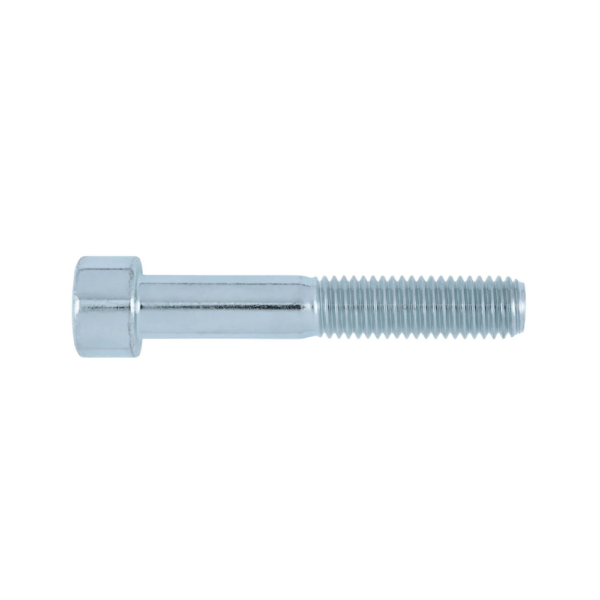
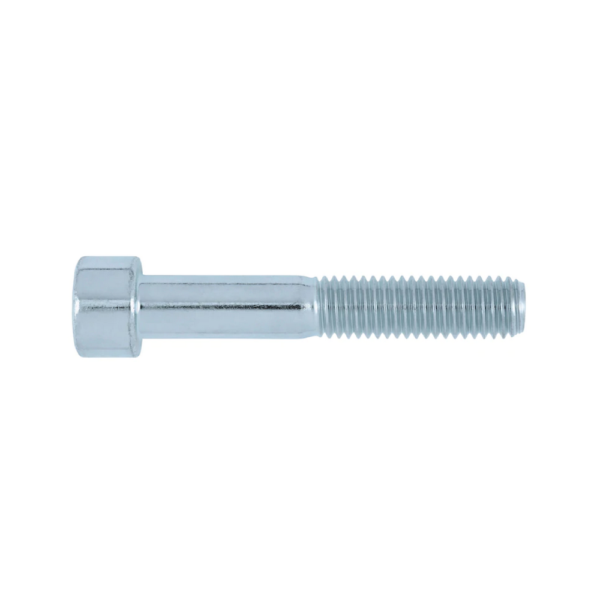
  • Allen Head Screws: These screws have a hex opening in the head and require a suitable Allen screwdriver to tighten them. They are often used in applications that require high tightening torque.

The main difference between them lies in the way they are fitted. Screws are usually inserted directly into the material and create their own thread as they are screwed in. In contrast, bolts are inserted through pre-drilled holes and always require a nut on the other side to secure them and hold the structure in place.

Most screws are made of steel, which offers high strength and reliability. For outdoor use or areas with high humidity, stainless steel or zinc-coated screws are preferred, as they protect against rust and ensure that the structure lasts much longer.

The correct size depends on the thickness and type of material you wish to join. The screw must be long enough to pass through the first material and penetrate deep into the second, providing a secure hold, without, however, piercing the back.

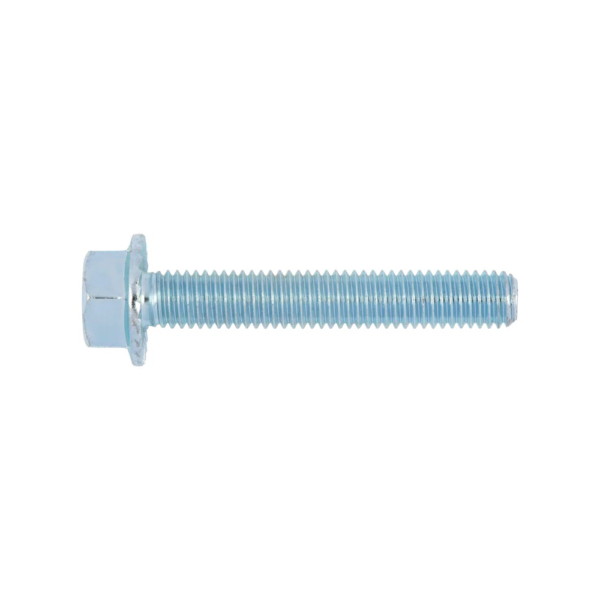
Screws with a flange feature a built-in wide base beneath the head, which acts as an integrated washer. This allows for better distribution of pressure across the surface, prevents loosening caused by vibrations and protects the material from damage during tightening.

To avoid damaging the screw head, the screwdriver or drill bit must fit perfectly into the slot. For example, an Allen screw requires the corresponding Allen key, whilst a Torx screw requires a Torx bit of exactly the same size.

The hardness rating, such as 8.8, indicates the strength of the steel from which the bolt is made. The higher the number, the more resistant the screw is to tensile stress and breakage, which is crucial for demanding professional applications.