Showing all 7 results

In stock

In stock

In stock

In stock

In stock

In stock

In stock
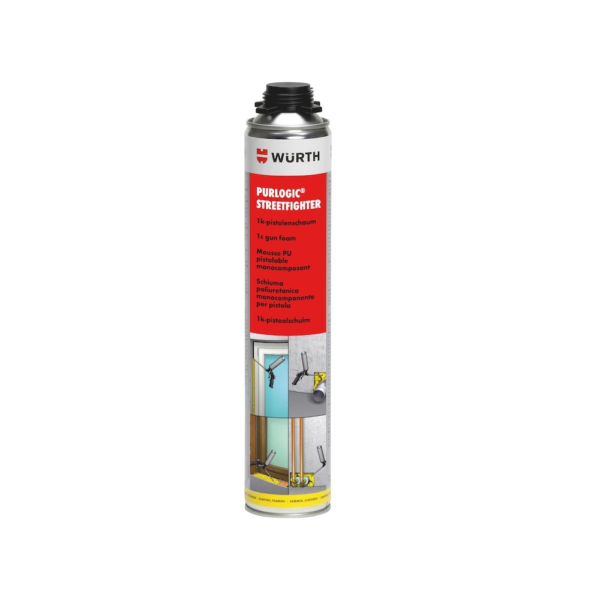
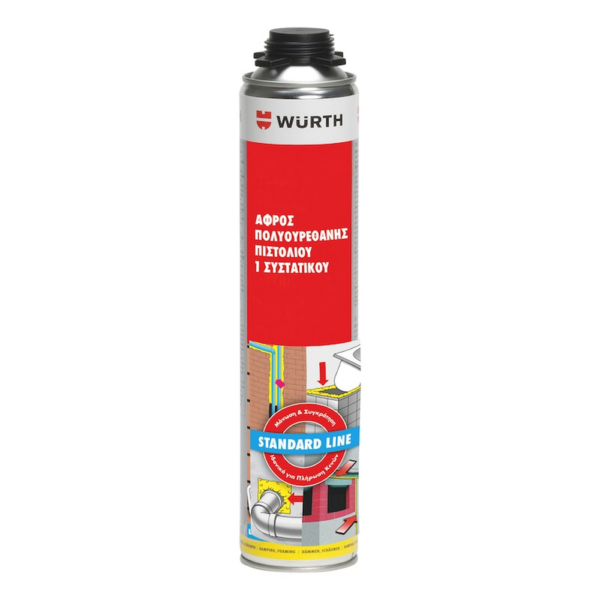
Polyurethane foam fills gaps, insulates and reinforces. You can use it to seal gaps around doors and windows, insulate against cold, heat and noise, and secure frames. As soon as it comes out of the can, it expands and then sets, keeping everything tight and watertight in place.
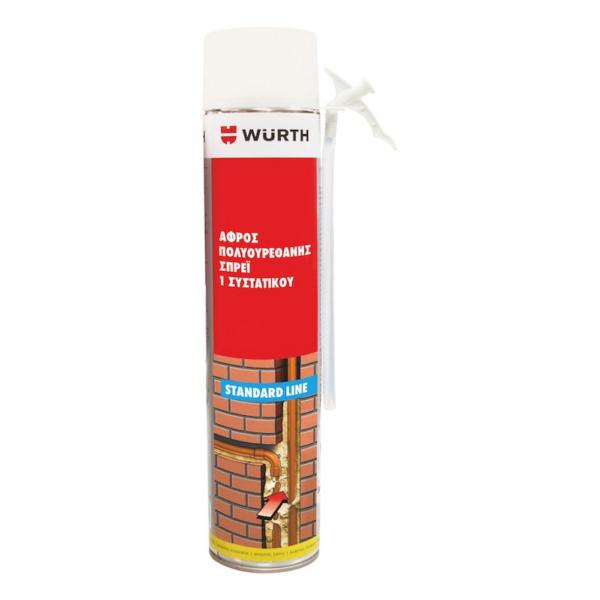
Spray foam requires a special gun that clips onto the can and gives you great precision and control over the amount dispensed. Hand-held foam comes with a plastic straw and is simpler to use for a quick, occasional job. If you use it frequently, the spray gun is worth it as it’s cleaner and more economical.
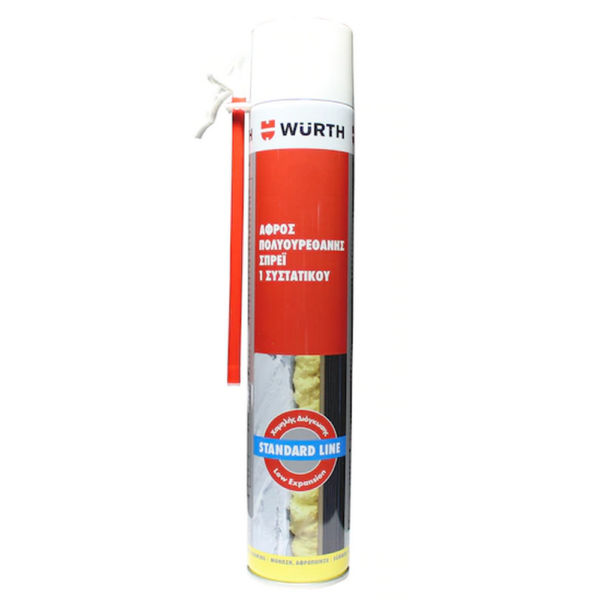
It means that the foam expands slightly after being dispensed, without «spilling over». This is very useful when fitting door and window frames, as foam that expands too much can warp them due to the pressure. With low-expansion foam, you’re in control and there’s no risk of warping the frame.
B1 fire-resistant foam is specially certified to resist fire and prevent it from spreading easily. It is used where fire safety is important, such as around fire-resistant doors, in partitions and in areas where regulations require it. It provides extra time and safety in the event of a fire.
The foam usually dries on the surface within a few minutes, but it takes a few hours to set completely throughout its entire volume before you can cut or plaster it. This time is affected by temperature and humidity. A light spray of water on the surface helps the foam to «set» more quickly.
It is the most common type of foam, ready for use straight from the can, with no mixing required. It sets on contact with moisture in the air. It is ideal for most everyday insulation and waterproofing jobs. Simply shake the can well before use to ensure it works properly and evenly.
Fresh foam, whilst it is still wet, can be removed with a specialised foam remover or acetone before it has a chance to set. Once it has dried, however, it cannot be removed with chemicals and must be removed mechanically, by scraping or cutting it off. That is why it is best to clean up immediately anything that lands where you don’t want it.
Dry foam should not be left exposed to the sun for too long, as ultraviolet radiation causes it to turn yellow and gradually deteriorate. For this reason, once it has dried, it is advisable to cut it to size and cover it with plaster, silicone, paint or joint filler, so that it is protected and will last for many years.
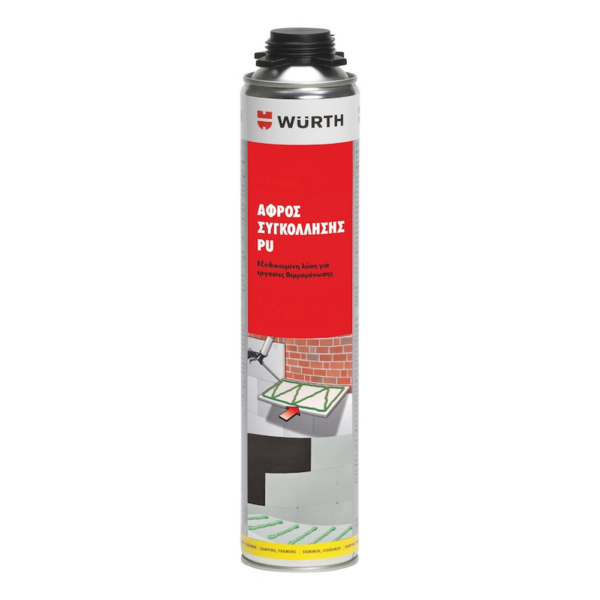
It is a specialised foam which, as well as providing insulation, also acts as an adhesive. You can use it to bond insulation boards, plasterboard or other building materials quickly and securely, without needing a separate adhesive. This way, you can do two jobs with one product and save time on site.