Spray Paint

Spray Paint Products

Showing all 6 results

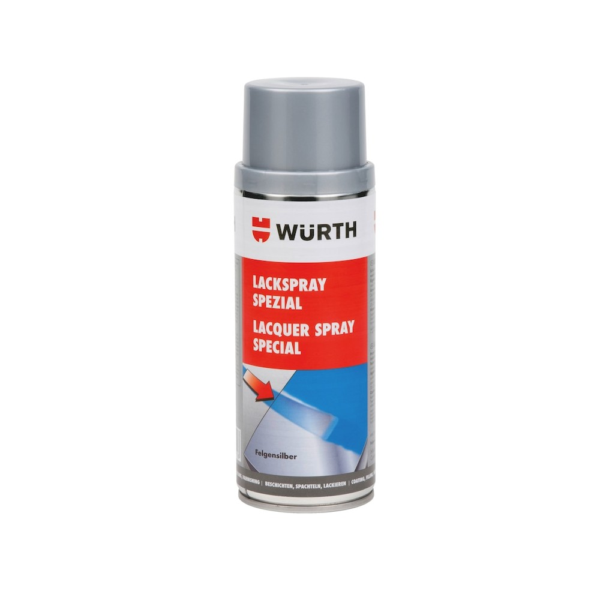
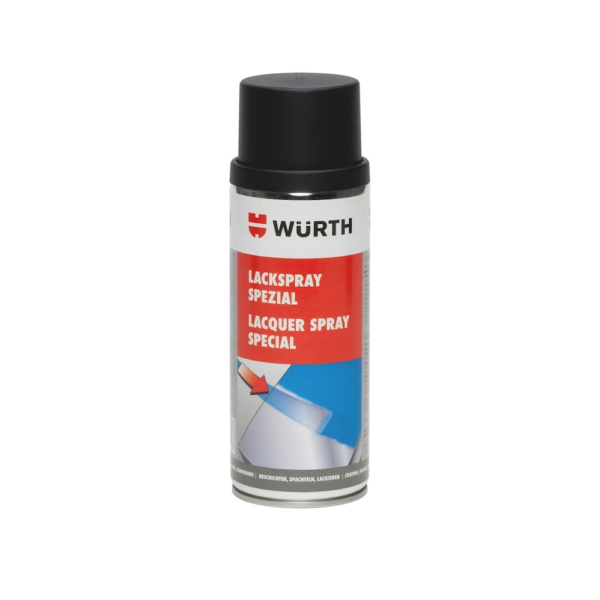
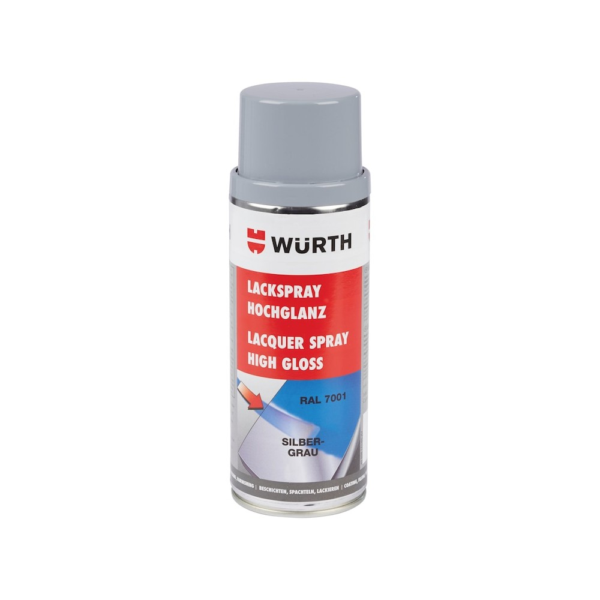
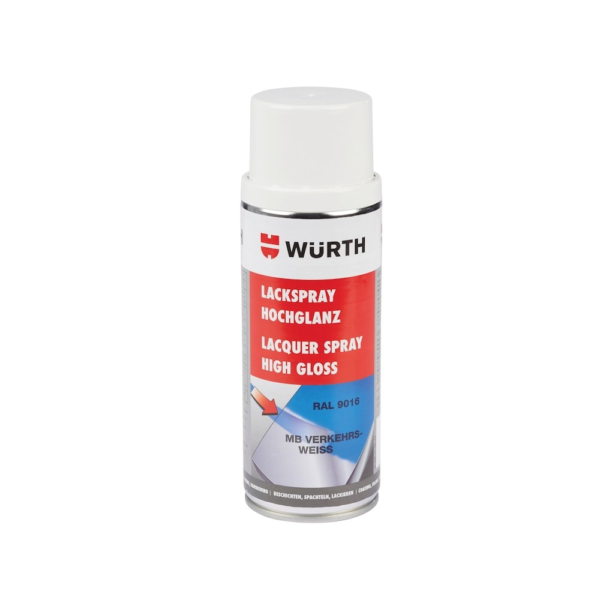
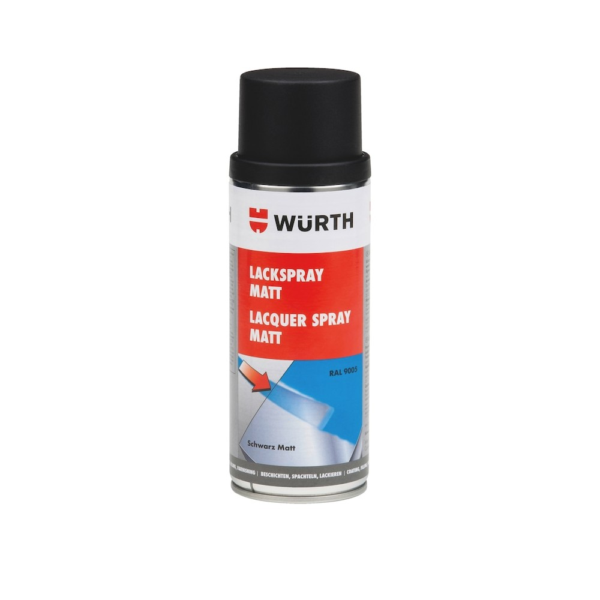
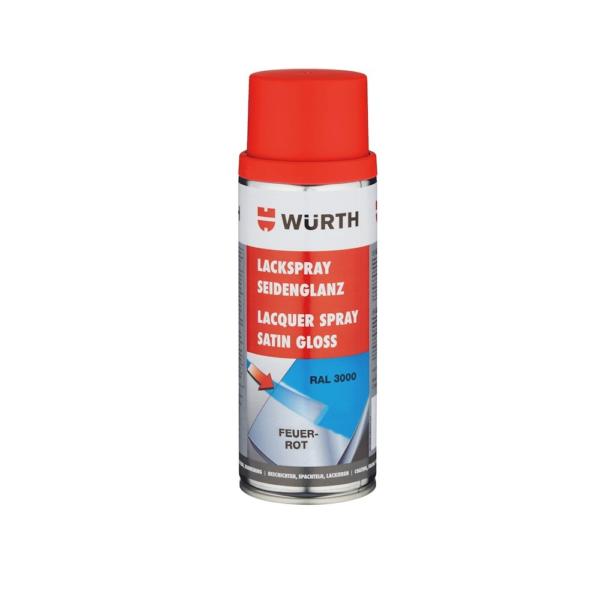
At Geosantro, you will find a wide range of top-quality spray paints, suitable for both professional and DIY use. We offer sprays in various popular RAL shades (glossy, matte, or satin), specialized primers for surface preparation, as well as high-resistance specialized sprays like heat-resistant paint and wheel rim sprays, covering every painting need.

The use of a primer mainly depends on the material of the surface you want to paint. For bare metals, plastics, or severely worn surfaces, applying an appropriate primer from Geosantro is essential, as it ensures superior paint adhesion, a uniform result, and maximum long-term protection agai

Yes, you can paint plastic surfaces, but proper preparation is required to prevent the paint from peeling later on. We recommend thoroughly cleaning the plastic object and first applying the special plastic primer available at Geosantro. This will create the right substrate for the final coat of paint to bond perfectly.

Heat-resistant spray paints are specially formulated to withstand extremely high temperatures, often up to 600°C or 800°C, without discoloring or peeling. They are ideal for painting and refreshing surfaces exposed to high heat, such as car and motorcycle exhausts, barbecues, stoves, fireplaces, and industrial piping.

Drying time can vary depending on ambient temperature and humidity, but our sprays are usually touch-dry within 15–20 minutes. However, for complete drying and maximum surface hardness, it is best to wait about 24 hours before subjecting the object to use or harsh conditions.

Proper preparation is everything for a beautiful result. The surface must be completely clean, dry, and free of oils, dust, or old rust. We advise you to lightly sand the spot with sandpaper to roughen the surface, remove any debris, and then proceed with spraying using steady movements.

To avoid annoying runs and sags, you need to shake the spray can very well for at least two minutes before use. Always spray from a steady distance of about 20–25 centimeters from the object, making quick and smooth passes. It is always better to apply two or three very thin coats of paint rather than one thick layer.

To prevent the paint from drying inside the valve and the nozzle so you can reuse the spray can in the future, there is a simple trick. As soon as you finish painting, turn the can completely upside down and press the nozzle for a few seconds until paint stops coming out and only clear propellant gas is released.