
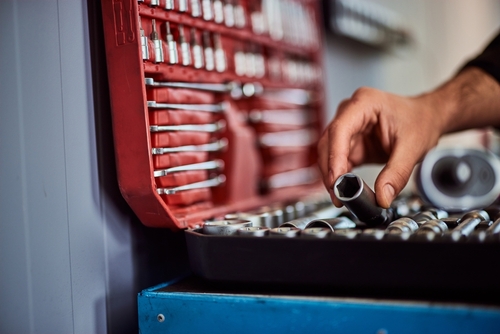
How to Organize Your Tool Bag: The Complete Guide For 2026
Μια χαοτική εργαλειοθήκη σου κλέβει χρόνο και σου σπάει τα νεύρα σε κάθε μαστόρεμα. Ψάχνεις

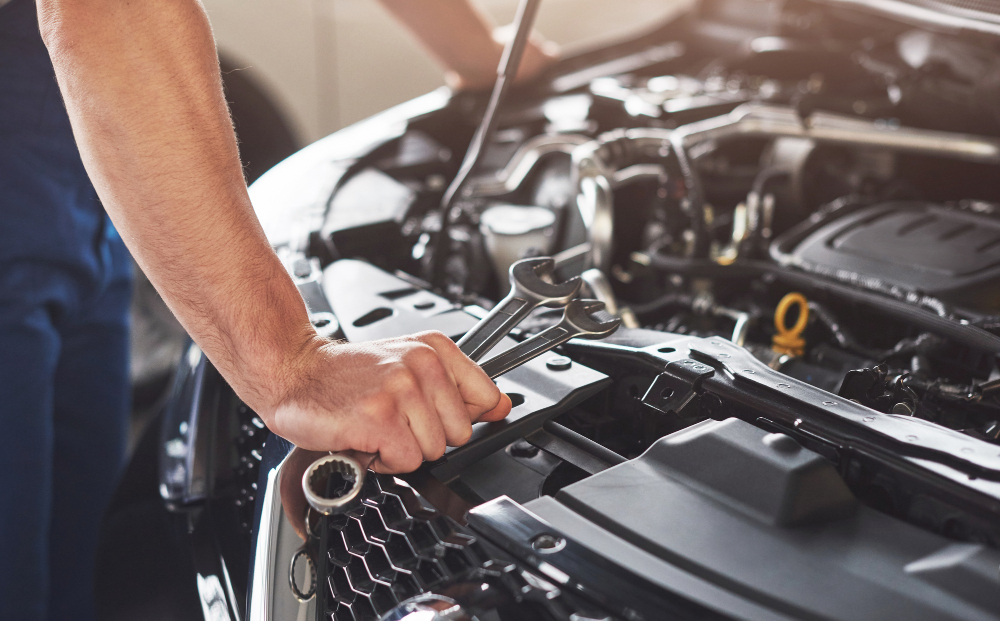
The Cypriot summer is no joke — especially for your car. With the thermometer often soaring past 40°C, long driving distances from Nicosia to coastal resorts (Limassol, Paphos, Ayia Napa), and a trunk packed to the brim, your vehicle is working under extreme survival conditions.
A quick preventative check will take very little of your time, but it will save you from the hassle (and huge cost) of being stranded on the side of the highway waiting for roadside assistance in the blazing heat.
At a glance: Before loading up your car for summer vacation, make sure you have checked: tires, oil, coolant, brakes, battery, and, of course, the air conditioning. In Cyprus, the heat hits the tires, cooling system, and battery first, so pay extra attention there!
In the summer, the asphalt on Cypriot highways can bake and exceed 60°C. This extreme heat increases the pressure inside the tires and accelerates their wear, especially if the car is heavily loaded.
When there is a heatwave outside, an engine with low oil or without enough coolant can give up the ghost within a few kilometers.
Most people think the battery dies in winter due to the cold, but the truth is that high temperatures are its real enemy, as they accelerate chemical degradation. A battery might perform just fine on your daily commutes, but leave you stranded right after you stop for a coffee during a long trip.
💡Smart Tip: If your battery is already 3–4 years old, have a quick test done by an electrician. For total peace of mind, always keep a portable jump starter. This way, even if your battery dies on a remote beach, you'll start up in seconds without needing another car or jumper cables.
Summer getaways in Cyprus often include steep climbs and, more importantly, demanding descents, such as on the roads of Troodos or the mountainous villages of Paphos. Your brakes will be under a lot of strain. Check the thickness of the brake pads, and if you hear any strange noise or squealing when braking, fix it before you set off.
A closed car parked in the sun can reach interior temperatures of 70°C to 80°C in no time. Driving without good air conditioning in such conditions causes exhausting fatigue and reduces the driver's reflexes.
Take a quick walk around the car and make sure everything lights up: low beams, brake lights, indicators, and fog lights. At the same time, check the wiper blades. It might not rain often in the summer, but if you catch a sudden summer storm, worn-out blades will make driving dangerous.
In addition to the mechanical components, make sure you have the necessary accessories for any contingency:
| Checkpoint | What exactly am I looking for? |
| Tires | Pressure (for a loaded vehicle), tread depth, spare tire condition |
| Engine Oil | Level on the dipstick (ideally with a cold engine) |
| Coolant | If it is between MIN and MAX in the expansion tank |
| Brakes | Pad thickness, fluid level, any strange noises |
| Battery | Battery age, check for leaks or corrosion/salts on the terminals |
| Air Conditioning | Cooling performance and cabin filter replacement |
| Lights & Indicators | Proper operation of all bulbs (front and rear) |
| Documents | Valid road tax (registration), insurance, and MOT |
Don't leave everything for the last day. Do the check 1–2 weeks before you leave. This way, if a problem arises (e.g., you need new brake pads or tires), you will have time to book an appointment at the workshop without disrupting your holiday schedule.
Engine oil and coolant (antifreeze). These two keep the engine temperature at normal levels when heatwave conditions prevail outside.
If the groove depth is less than 3mm, if you notice sun cracks, or if you see small bulges (bubbles) on the sidewalls of the tire, then replacing them is mandatory for your safety.
If there are fewer than 2,000–3,000 kilometers left until your next scheduled service, it is preferable to do it before you leave. The summer service includes all the above checks, so you will travel with absolute confidence.
Ready to go? At Geosantro, you will find all the necessary tools, jump startersaccessories, and emergency items to properly equip your car and enjoy your summer journeys safely!
Μια χαοτική εργαλειοθήκη σου κλέβει χρόνο και σου σπάει τα νεύρα σε κάθε μαστόρεμα. Ψάχνεις

You found it in the car park. Or you spotted it by chance in the sunlight. A dent in the