
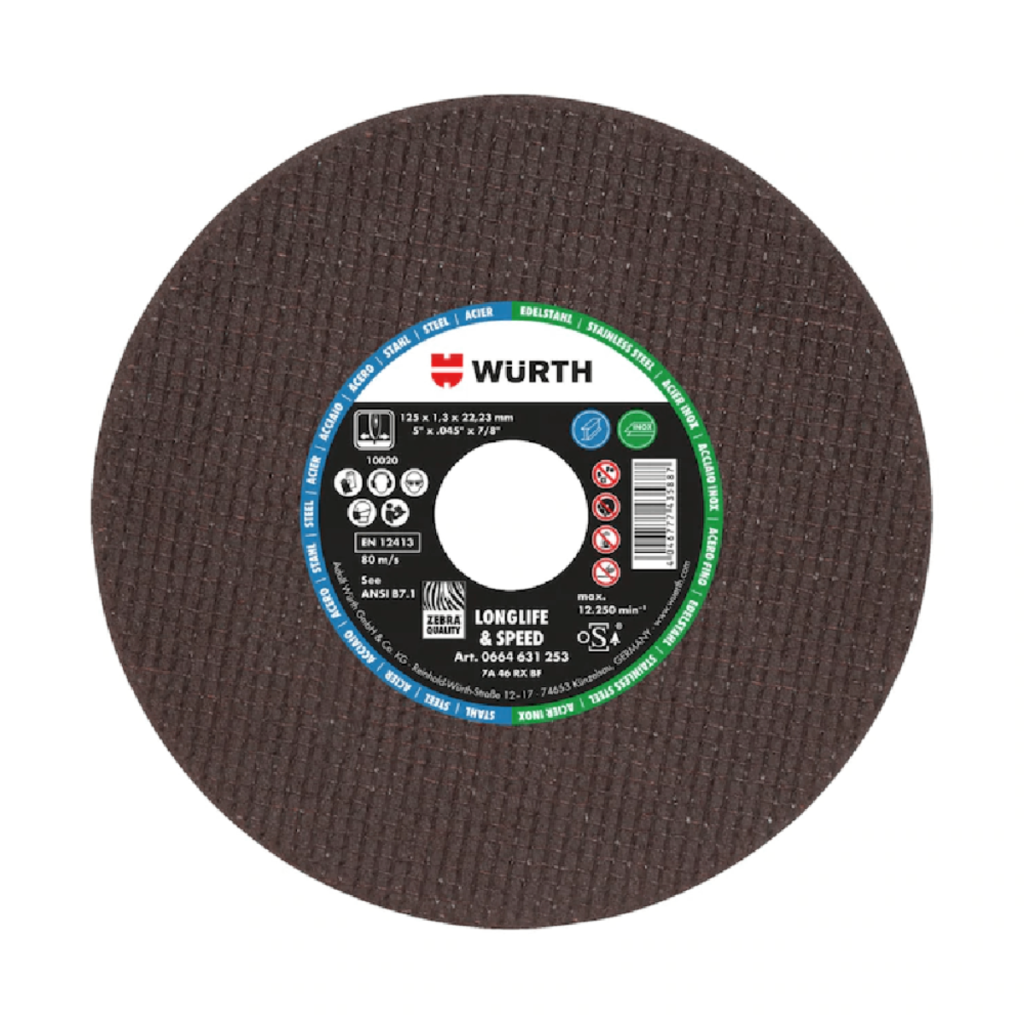
Cutting Discs: How to Read the Labelling and Which One to Choose
The label on the cutting disc is not just for decoration. Within a few centimetres of paper, there are

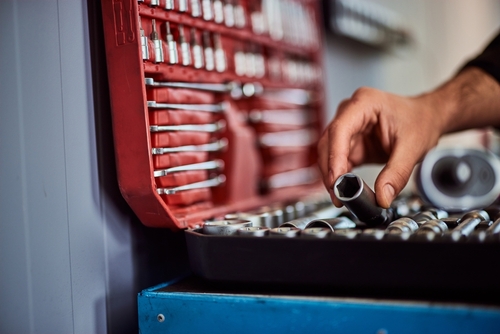
A chaotic toolbox steals your time and wrecks your nerves during every DIY project. Spending two minutes looking for a screwdriver or wondering if you brought your tape measure ruins the flow before you even start.
Proper organization isn't a luxury—it’s the only way to get the job done quickly, cleanly, and without unnecessary stress.
At a glance: To get your toolbox in order, empty everything out, throw away what is broken, and categorize the rest. Place your essential "SOS" tools in the top compartments and store screws and wall plugs in small labeled containers. To prevent rust, keep the space dry and drop a few silica gel packets inside.
Before putting anything back, dump it all out. This is the only way to see exactly what you have, what duplicates you're hoarding, and what is just taking up space.
Now that you’ve kept only the right pieces, organize them based on how often they end up in your hands.
Group your hand tools into their basic categories:
The Secret: Your "frontline" tools (tape measure, hammer, 2–3 basic screwdrivers, a pair of pliers) must be right in front. Anything you rarely pull out (like specialized drill bits or saws) goes to the bottom.
Proper placement inside the box follows a simple hierarchy:
| Toolbox Type | Best Suited For | Main Advantage |
| Tool Bag | Technicians on the move (electricians, plumbers) | Grab-and-go, incredibly easy access |
| Organized Case / Briefcase | Hand tools and consumables | Everything in perfect order, nothing gets jumbled |
| Rolling Toolbox | The garage or a permanent workshop | Massive capacity without lifting heavy loads |
| Organizer | Screws, wall plugs, washers, and bits | Ends the chaos of small items |
💡Looking for the ideal solution? At Geosantro you will find tool boxes and bags that cover every need—from simple fabric tool bags for household tasks to heavy-duty professional tool cases designed for the job site.
Your "first response" tools. A tape measure, a hammer, a Phillips screwdriver, a flathead screwdriver, pliers, and an adjustable wrench. Whatever you grab 5 times a day belongs there.
Keep only the SOS essentials in the trunk: a socket set, Allen keys, a spark plug wrench, jumper cables, a flashlight, and gloves. A small, compact fabric bag is the best solution to save space.
You don’t need anything over-engineered. A medium bag or a briefcase with dividers is plenty. Put the core tools in the center and use the exterior pockets for the tape measure, scissors, and tapes.
Forget throwing them in "loose"—that ruins them and will drive you crazy trying to find the right size. Keep drill bits in their original cases (organized by size) and use magnetic cases for screwdriver bits.
Do a strict declutter. Many of us carry tools we almost never use. Separate your tools into "daily" and "specialized," and only bring the daily ones with you. If the weight comes from screws and bolts, move them to a separate organizer.
Tossing tools back in a jumble after finishing a job, leaving screws loose without separate bins, keeping broken tools "just in case," and failing to protect metals from moisture.
A good clear-out every six months is perfect. However, the real secret is this: put every tool back in its exact place the moment you finish using it. That way, your toolbox stays organized effortlessly!
The label on the cutting disc is not just for decoration. Within a few centimetres of paper, there are
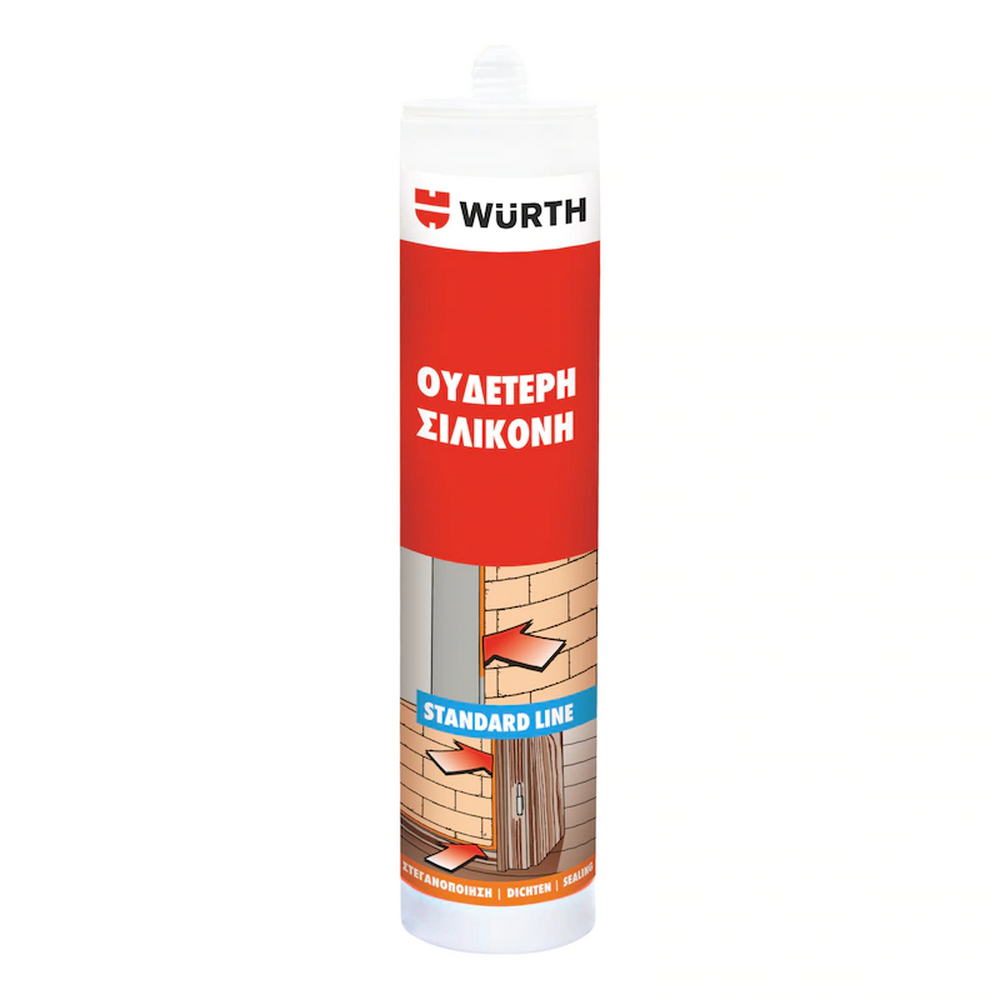
The three materials look the same inside the cartridge but behave completely differently on the joint.