
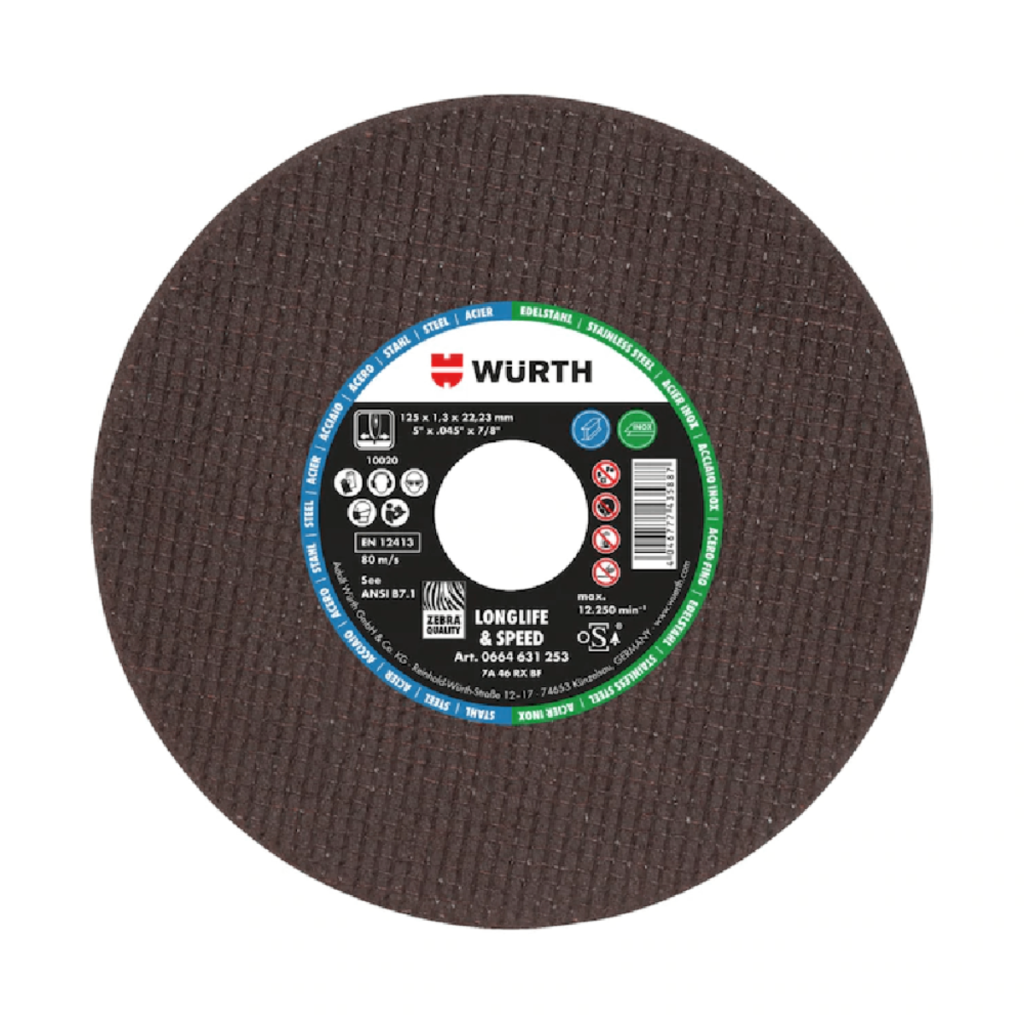
Cutting Discs: How to Read the Labelling and Which One to Choose
The label on the cutting disc is not just for decoration. Within a few centimetres of paper, there are

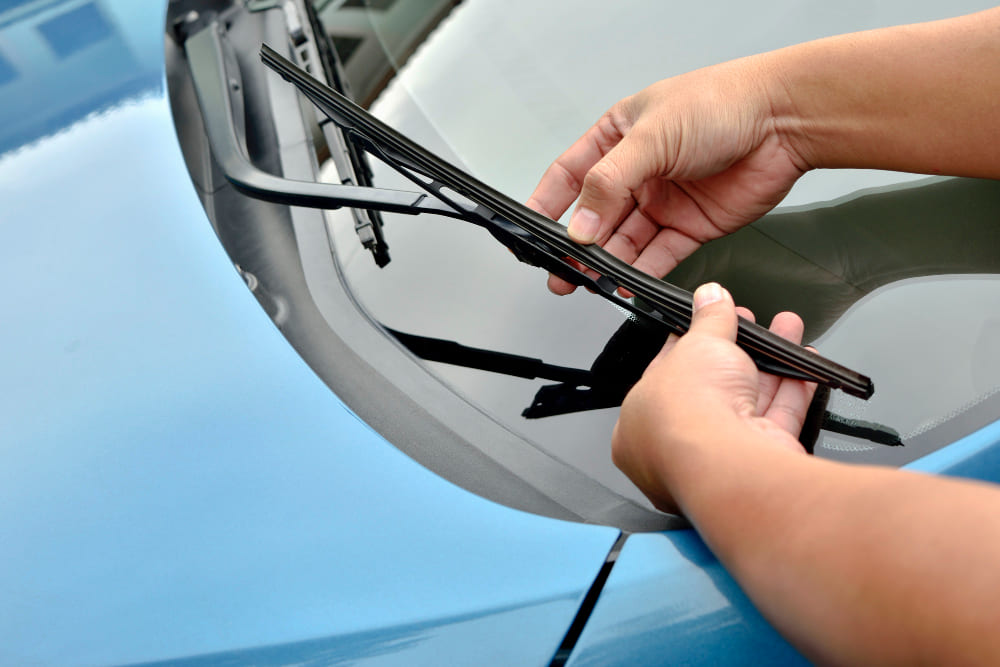
Let’s be honest: windshield wipers belong to that category of car parts we only remember when they start leaving annoying streaks across the glass—usually at the worst possible moment, like during a sudden downpour on the highway. Although they seem like a simple component, picking the wrong size or connector type means they won't work properly, even if you bought them just yesterday.
In this guide, you will find everything you need to make a smart purchase: how to pinpoint the exact dimensions for your specific vehicle, what types and materials are available on the market, and how to tell when it’s finally time for a replacement.
When it comes to wipers, size is everything. The most common mistake drivers make is buying "by eye," selecting blades that simply look similar to their old ones.
Every car requires a specific length for the driver's side and a completely different one for the passenger's side. As a rule, the driver's side wiper is noticeably larger—in many models, the difference can be several centimeters—in order to clear the maximum possible field of vision for the person behind the wheel.
In addition to the length, the way the wiper blade locks onto the wiper arm plays a decisive role. If the connection type isn't a match, the wiper simply won't fit onto your car.
💡Pro Tip: If you aren't entirely sure about your car's connector, the safest solution is to remove the old wiper blade and bring it with you as a sample when buying the new one.
This is the classic design we have seen on roads for decades. They feature an external metal frame with multiple articulation points that press the rubber blade down onto the glass.
The modern evolution of the wiper blade. There is no external metal skeleton here; the shape and curvature of the blade are maintained by an integrated tension spring hidden inside the rubber itself.
True to their name, these represent the golden mean between the two technologies. They feature a traditional internal pressure frame, which is completely encased in a sleek, aerodynamic plastic shell.
A distinct and often neglected category. It is essential for SUVs, hatchbacks, station wagons, and vans. The rear wiper is almost always smaller and utilizes a completely different connector style than the front ones, meaning it requires a specific purchase and is not interchangeable.
The rubber strip is the only part of the assembly that makes direct contact with your windshield. The material it is constructed from determines both the quality of the wipe and its overall lifespan:
A general rule of thumb states that replacement should happen every 6–12 months or every 15,000–20,000 kilometers. However, in reality, the material's biggest enemy is the climate.
Particularly in regions with intense summers like Cyprus or Greece, the prolonged sunshine and scorching temperatures bake and dry out the rubber at rapid rates, even if the wipers haven't been turned on once during the dry summer months.
With a few simple habits, you can save yourself from frequent, premature replacements:
| Characteristic | Traditional (Framed) | Beam / Flatblade (Frameless) | Hybrid |
| Purchase Cost | Low | Higher | Medium |
| Curved Windshield Application | Average | Excellent | Very Good |
| Freezing Weather Behavior | Limited | Very Good | Good |
| Noise Level | Potential to squeak | Exceptionally Quiet | Quiet |
| Lifespan | Average | Long | Long |
You don't necessarily need to hunt down the most expensive product on the market, but choosing dirt-cheap, no-name wipers usually backfires. These ultra-budget options tend to degrade within just 2–3 months, leaving you back at square one.
The sweet spot for value-for-money lies in the mid-range: choosing an established, reputable brand featuring EPDM or graphite-coated rubber. If you prefer a "set-and-forget" approach for a much longer period, silicone wipers are well worth the extra upfront investment.
The fastest way is an online search using your car's make, model, and year. Alternatively, check your owner's manual or use a tape measure to record the length of the rubber element on your current blades. Remember to measure both sides, as they are rarely the same size!
No, there is no such thing as a "universal" size. Wiper lengths vary wildly from 40 cm to 65 cm, and the driver's side is almost always 5–10 cm longer than the passenger's side. You must find the specific sizes designated for your vehicle model.
Absolutely! In the vast majority of cases, it is a straightforward plug-and-play process that requires no tools whatsoever. You simply lift the arm, press the locking tab, slide the old blade out, and slide the new one in until you hear a solid "click."
If a brand-new blade isn't clearing properly, check to see if you forgot to remove the plastic protective sleeve (often brightly colored in yellow or blue) that covers the rubber edge during shipping. If it's already off, give your windshield a thorough scrub; stubborn tree sap or oily road film on the glass can prevent even new blades from making proper contact.
At Geosantro, you will find a comprehensive range of premium, reliable car windshield wipers for every model on the market—from traditional framed blades and sleek Flatblades to rear wipers and heavy-duty commercial truck options—with free shipping across Cyprus for all orders over €50.
If you are still unsure about your exact dimensions or the connector type your vehicle requires, our experienced technical advisors are right here to help you make the right choice!
The label on the cutting disc is not just for decoration. Within a few centimetres of paper, there are
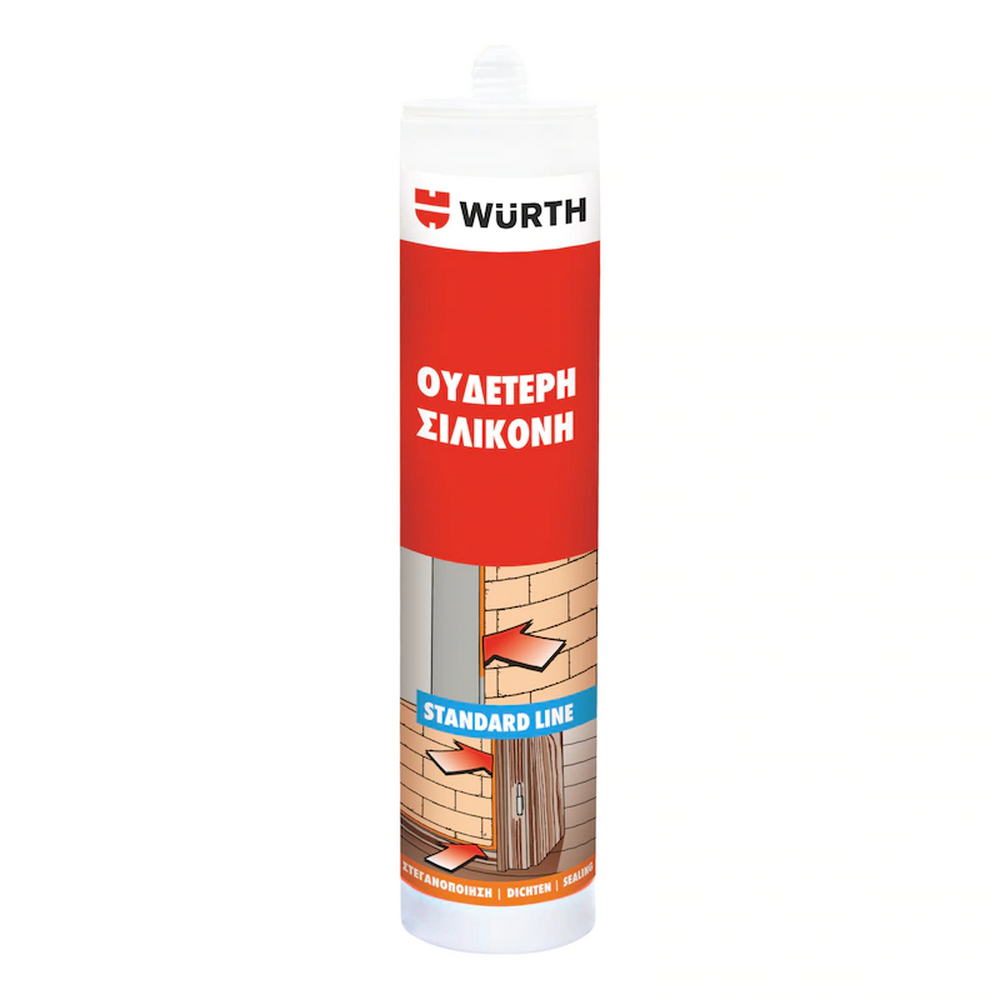
The three materials look the same inside the cartridge but behave completely differently on the joint.