
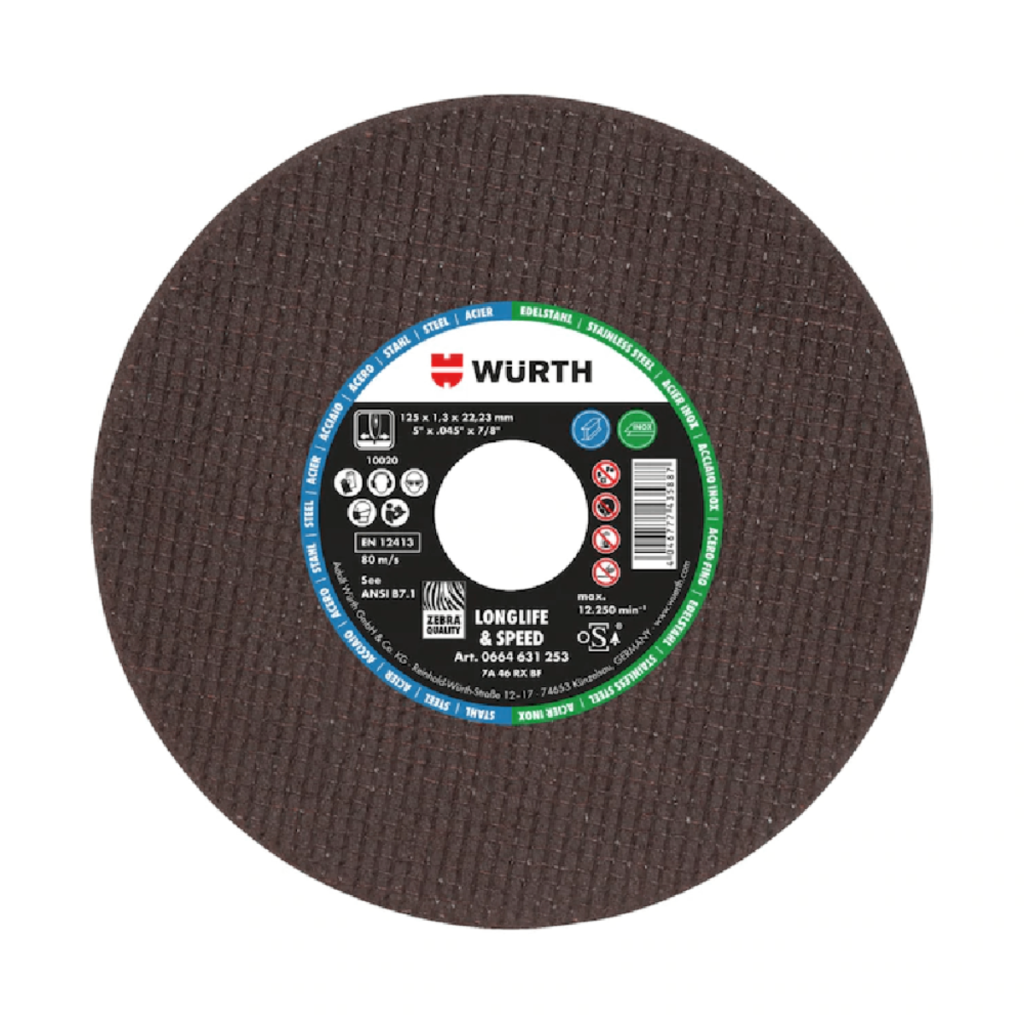
Cutting Discs: How to Read the Labelling and Which One to Choose
The label on the cutting disc is not just for decoration. Within a few centimetres of paper, there are

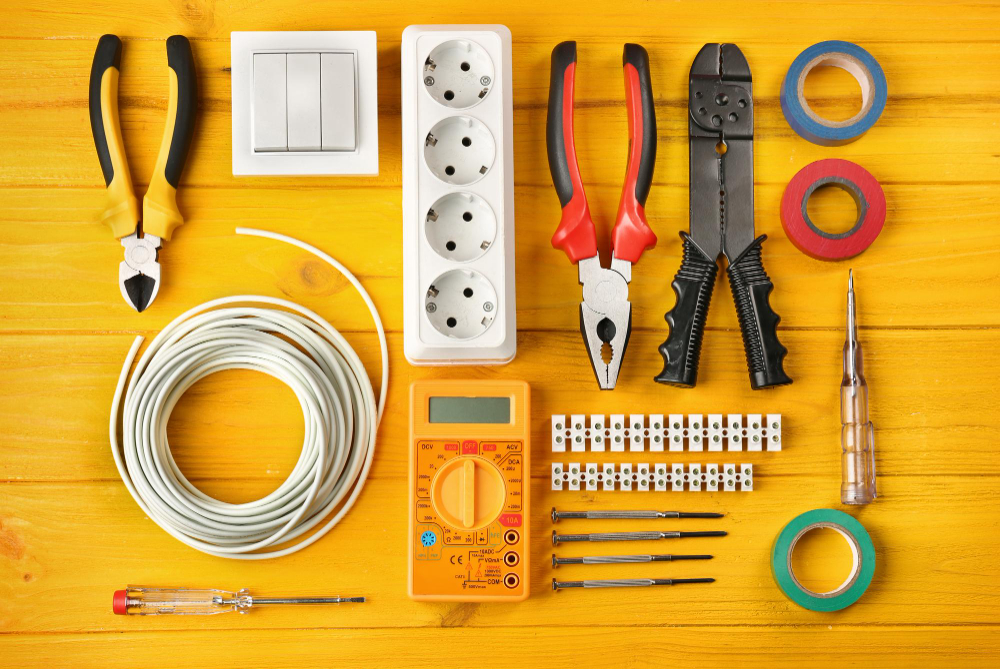
A good power tool is an investment — you don't buy one every other day. A drill, an angle grinder, or a power screwdriver can last for decades if you treat them with care. But if you just leave them lying around the garage, covered in dust and moisture, their lifespan will be measured in just a few short years.
The difference between a tool that’s an absolute workhorse and a useless piece of plastic isn't always the brand—it's how you store it!
At a glance: To make your power tools last a lifetime, clean them after every use and store them in their cases in a cool, dry place. Always remove the batteries, keep them away from freezing cold or scorching heat, and toss a few silica gel packets into the box to beat the moisture.
Most power tools don't break from hard work; they break because they are put away dirty. Sawdust, concrete dust, and oils sneak into their internals and cause damage from the inside out.
The two biggest enemies of your tools are moisture and sudden temperature changes.
Manufacturers don't give you a case just for looks. The original case protects the tool from impacts and dust while keeping all the accessories (bits, keys, drill bits) together. If you don't have the original cases, invest in a good heavy-duty toolbox or one with foam inserts.
Modern batteries are incredibly powerful, but they have their sensitivities too. If you want them to last for years, follow these tips:
| What are you doing wrong? | What is the price you pay? |
| Storing them dirty | Dirty dust gets into the motor and burns it out |
| Leaving tools loose on the floor | It sucks up moisture from the concrete and rusts |
| Battery left forgotten on the tool | Slow discharge and permanent damage to the battery |
| Storing in a damp basement / storage room | Short circuits and oxidation on the contacts |
| Cord wrapped like a tight rope | Internal wires break, cutting off power |
| Charger permanently plugged in | Risk of burning out from grid power surges |
A quick wipe with a cloth is needed after every use. A deeper clean (blowing compressed air into the vents and oiling) should ideally be done every few weeks, depending on how often you use them.
Only if the basement is completely dry. If it smells musty and damp, stay away! Moisture will destroy their electronic systems before you know it.
Yes, it matters! Even when turned off, the tool drains a tiny amount of current from the battery. Over time, the battery will drain completely and may never charge again.
Don't even think about turning it on to see if it works! If it's cordless, remove the battery immediately. Let the tool dry naturally in a well-ventilated area for 24 to 48 hours. If it acts strangely after that, take it to a technician.
With proper care (charging to 50%, storing at normal temperatures, and giving it a small top-up every 3 months if it's sitting idle), a Li-ion battery can easily last 3 to 5 years (or even more). If you leave it completely empty in the heat, it can give up the ghost within a single year.
The label on the cutting disc is not just for decoration. Within a few centimetres of paper, there are
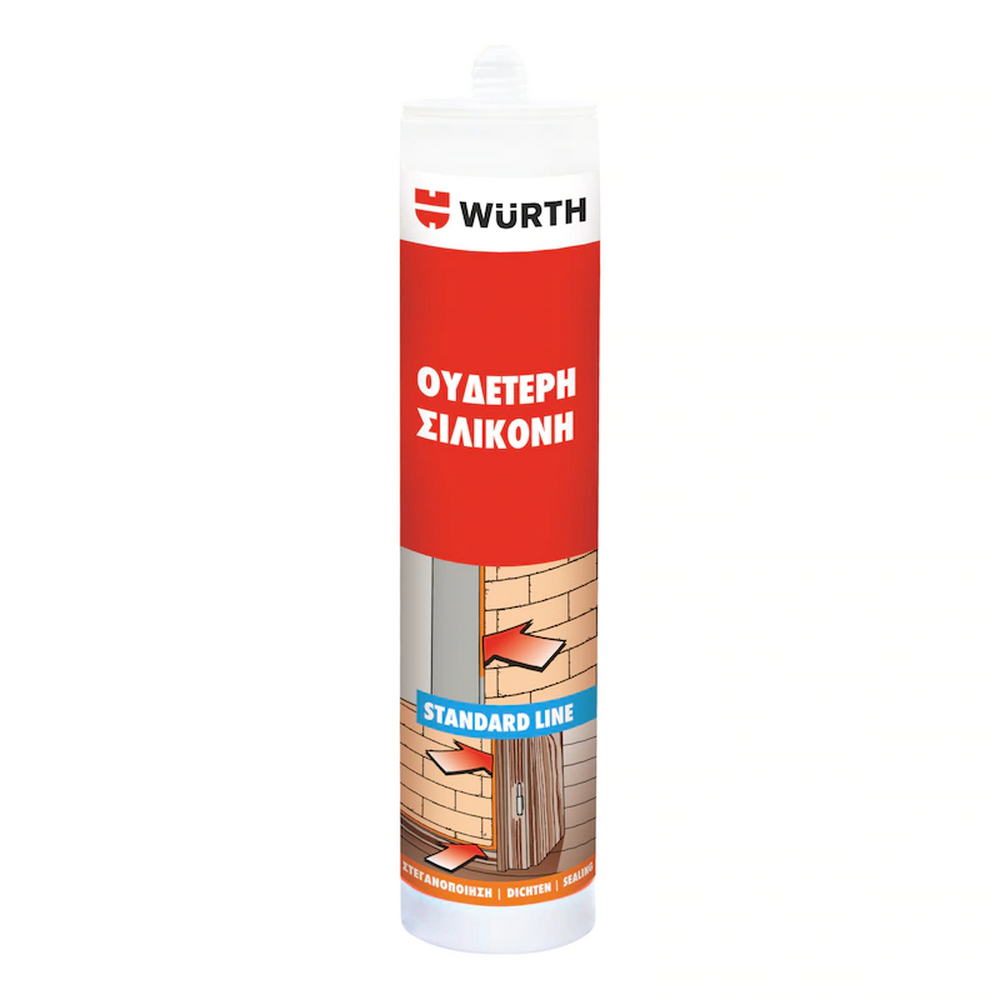
The three materials look the same inside the cartridge but behave completely differently on the joint.