
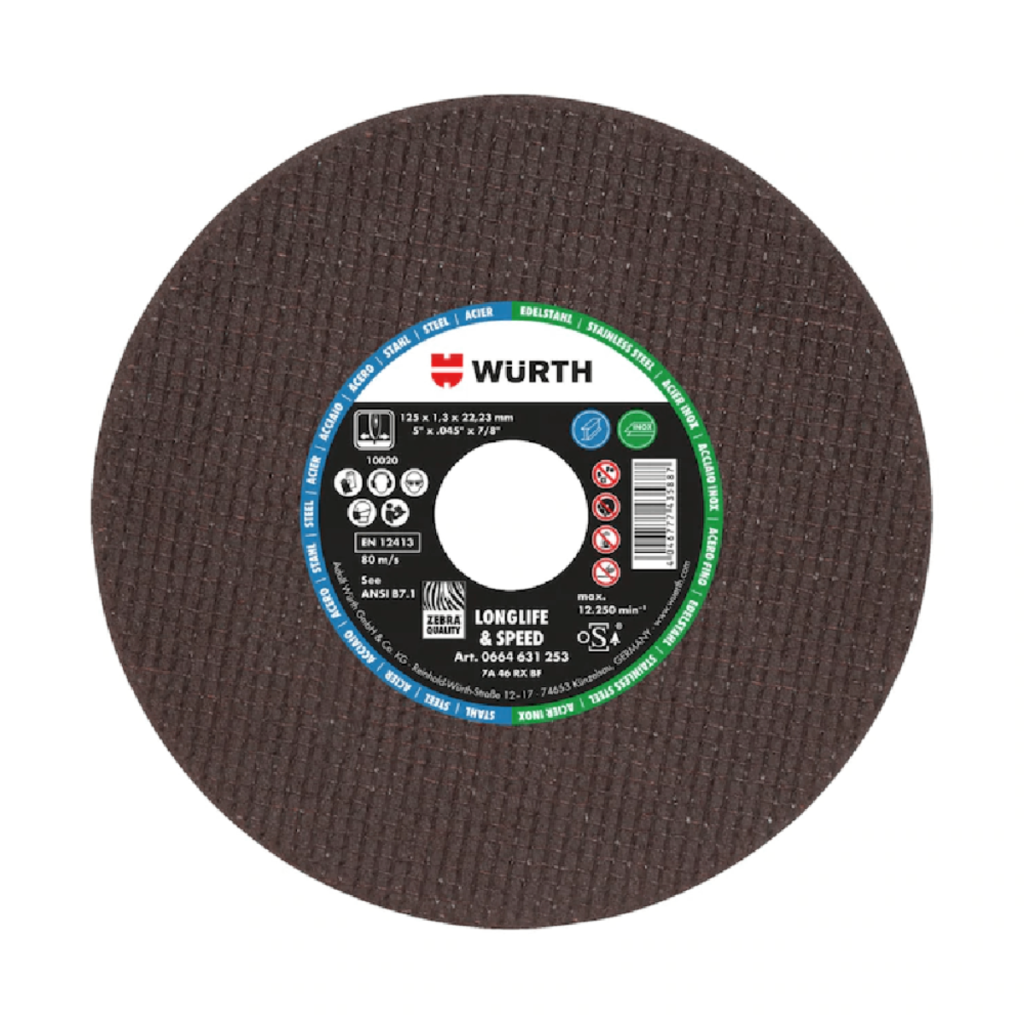
Cutting Discs: How to Read the Labelling and Which One to Choose
The label on the cutting disc is not just for decoration. Within a few centimetres of paper, there are

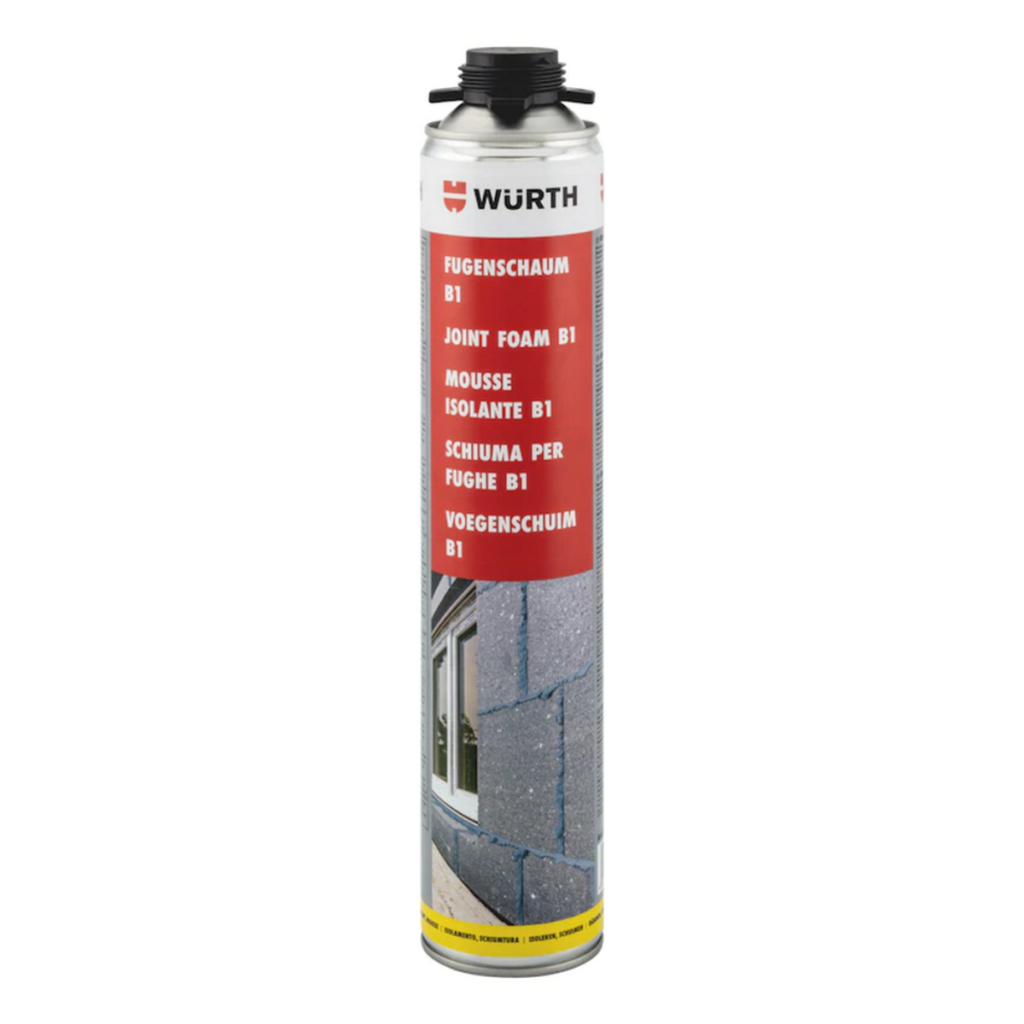
The success of polyurethane foam application depends on proper surface preparation, moisture control and strict adherence to the manufacturer’s technical instructions. The use of protective equipment is essential due to the chemical components and flammable propellants contained in the cylinder. For maintenance, fresh foam is cleaned with a special solvent, whilst cured foam is removed mechanically. Storing the cylinder correctly in an upright position ensures the material’s longevity. You will find all the steps for safe and effective use in the Geosantro technical guide.
Polyurethane foam is an extremely useful building material, but care must be taken when using it. Before starting any work, it is essential to consult the Safety Data Sheet and the Technical Data Sheet for the specific material you are using.
The choice between spray foam and hand-applied foam depends on the frequency of use, the level of precision required and the type of job. The expansion ratio is determined by the chemical composition of each product and is specified in the technical data sheet.
| Characteristic | Spray Gun Foam | Hand Wash |
| Flow Control | High accuracy thanks to the pistol’s trigger | Basic check via the plastic tube |
| Degree of Swelling | It depends on the composition as stated in the technical data sheet | It depends on the composition as stated in the technical data sheet |
| Reuse | Possible, provided the manufacturer’s instructions are followed | Limited, if the material in the tube dries out |
| Suitability | Repetitive, prolonged or precise tasks | Small, one-off and occasional jobs |
Mixing times, application temperatures, expansion ratios and curing times vary from product to product. Always check the label and technical data sheet for the specific foam before use.
Clean the substrate to remove dust, oils, grease and loose material. In single-component polyurethane foams, moisture in the air and the substrate is essential for the polymerisation reaction to be completed. Lightly spray the surface with water before application. This improves adhesion and helps to create a more uniform cellular structure.
Shake the bottle vigorously for the time specified by the manufacturer (usually 15 to 30 seconds). Shaking ensures that the propellant gases are properly mixed with the liquid polymer.
With most standard cylinders, the cylinder must be positioned with the valve facing downwards so that the lighter gases push the material towards the outlet. Follow the manufacturer’s instructions regarding orientation, as some specialist products allow application at any angle.
Do not fill the gap completely. Take into account the secondary expansion factor specified in the product’s technical data sheet. Fill the joint partially (for example, to between one-third and half its depth), allowing the foam to expand without exerting excessive pressure on the structural elements.
Check the ambient and can temperature limits. Most conventional foams perform best at ambient temperatures between 15°C and 25°C. For work carried out during the winter months, use specially certified low-temperature foams.
To avoid manufacturing errors, it is important to be aware of the material’s limitations:
Removing foam requires a different approach depending on its physical state.
Do not use water to clean liquid foam from tools or surfaces, as moisture accelerates the polymerisation of the material. Remove any excess with a plastic spatula. Then use the specialist foam cleaner recommended by the manufacturer.
Attention: Always test cleaning solvents on an inconspicuous area, as they may damage painted, plastic or varnished surfaces. Do not apply chemical solvents to the skin. In the event of skin contact, follow the first-aid instructions in the Safety Data Sheet, using soap, water and gentle mechanical removal.
Once it has set, the foam cannot be effectively removed using standard fresh-foam cleaners. The main method of removal is careful mechanical scraping using a chisel, scraper or sandpaper. For sensitive substrates, there are special ointments for softening hardened foam, provided their compatibility with the surface has been confirmed. If the material has dried inside a spray gun, do not pull the trigger and avoid using sharp objects on the valves. Follow the equipment manufacturer’s maintenance instructions.
To ensure the product remains in good condition until its use-by date:
Polyurethane foam is sensitive to ultraviolet radiation. Prolonged exposure to the sun causes its structure to break down, leading to yellowing and the gradual crumbling of the material.
Once the curing process is complete and any excess has been trimmed away, the foam must be protected when used outdoors. Cover the surface with plaster, filler, silicone, acrylic sealant or a suitable protective paint.
Her team Geosantro is at your service to provide you with certified polyurethane materials, application equipment and specialist technical advice for any construction project.
Polyurethane foam contains chemical compounds and pressurised propellants. Ventilation prevents the build-up of vapours and flammable gases in the area. Gloves and goggles protect the skin and eyes from any unwanted splashes, as the fresh foam adheres strongly and is difficult to remove.
The ambient and container temperatures affect the curing time, the cell structure and the final expansion volume. At very low temperatures, the reaction is delayed, whilst at high temperatures it is accelerated. Always check the product’s technical data sheet for the recommended temperature limits.
Do not use chemical solvents or acetone on the skin, as they may cause irritation or facilitate the absorption of substances. Immediately wipe off as much of the substance as possible with a cloth. Wash the area with plenty of water and soap, and allow any remaining residue to be gradually removed through the skin’s natural renewal process.
No. Conventional polyurethane foam provides thermal and sound insulation and fills gaps, but it is not a load-bearing structural material. Mechanical fixing of the frame using suitable screws or plugs is essential for the safety and stability of the structure.
The label on the cutting disc is not just for decoration. Within a few centimetres of paper, there are
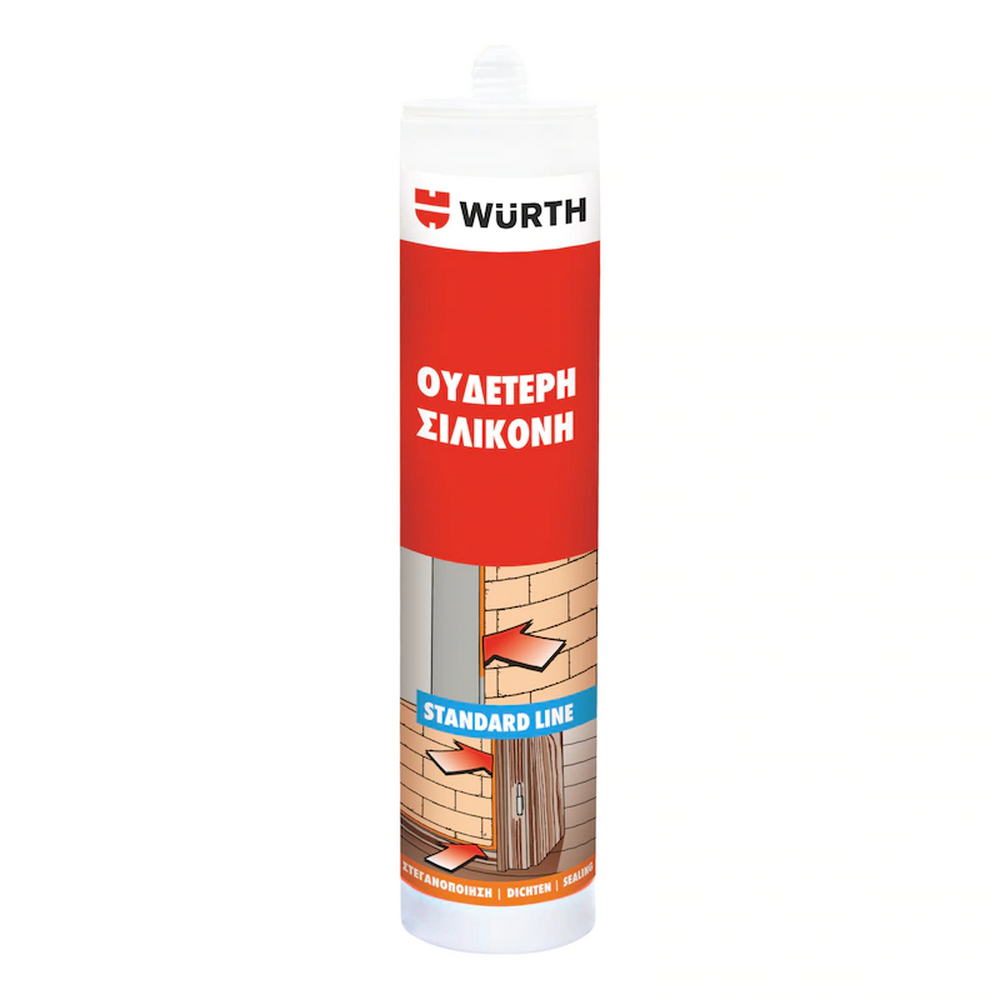
The three materials look the same inside the cartridge but behave completely differently on the joint.