

Cutting Discs: How to Read the Labelling and Which One to Choose
The label on the cutting disc is not just for decoration. Within a few centimetres of paper, there are

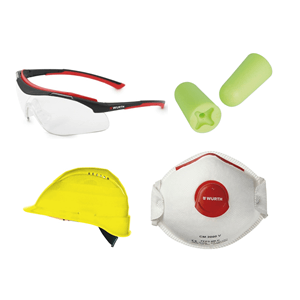
Personal Protective Equipment is not a disposable item that we can throw away whenever it suits us, nor is it equipment that lasts forever. Between these two ways of thinking lies a reality that many professionals are unaware of: each category of protective equipment has its own service life, its own expiry date and its own tell-tale signs that it no longer offers the protection for which it was purchased.
The rule that applies everywhere is simple. We replace PPE either when the time specified by the manufacturer has elapsed, or earlier if wear and tear, damage or exposure to an incident occurs. The first of these two events to occur determines the decision.
Appearances can be deceiving. A helmet may appear undamaged whilst its internal material has hardened due to ultraviolet radiation, meaning it cannot absorb the energy of a fall. Similarly, a pair of chemical-protection gloves may retain their appearance whilst the polymer has already begun to allow penetration at a molecular level.
In other words, the protection is lost long before it becomes visible. That is why manufacturers specify time limits, and that is why regular checks are so important.
Construction site helmets usually have a useful life of between three and five years from first use, depending on the material and the instructions printed on the inside. Polyethylene is less durable, whilst ABS or fibreglass helmets often reach the upper limit. The internal suspension system, however, needs replacing approximately every twelve months, as the straps become loose and sweat causes the fabric to deteriorate.
After any impact, the helmet must be discarded, even if no crack is visible. The structure has already absorbed the impact and will not be able to do so again.
There is a huge variation here. General-purpose leather gloves need to be replaced every one to three months when used for intensive daily work, whilst nitrile-coated knitted gloves last only a few weeks if the work involves rough surfaces. For cut-resistant gloves, there is a clear criterion: as soon as the first cut or tear appears at the seam, the protection rating ceases to apply.
For chemical applications, the drilling time specified by the manufacturer is measured in minutes rather than months, so replacement can take place even within the same shift.
A pair of safety boots lasts on average between six and twelve months with daily use. The critical part is not the upper but the sole, which gradually loses its grip and increases the risk of slipping. If the metal or composite toe cap becomes visible, the boots must be replaced immediately.
Also check how the shoe fits on your foot. A loose fit means that the foam padding inside has compressed and no longer provides support.
Safety glasses are usually replaced every six to twelve months, but the real deciding factor is whether they are scratched. A scratched lens means reduced visibility, eye strain and a tendency for the wearer to take them off, which completely defeats their purpose. Welding masks require filter replacement much more frequently, depending on the number of hours spent welding.
Single-use FFP2 and FFP3 masks are intended for a single shift and nothing more. The filters in half-face masks have their own saturation time, whilst the mask body itself lasts for around three to five years provided it is cleaned and stored correctly. Any smell or taste whilst using the mask means that the filter has reached the end of its service life.
Full-body harnesses and fall-arrest lanyards have strict time limits, usually five to ten years from the date of manufacture, with a mandatory inspection by a qualified person every twelve months. Following a fall, the entire system is taken out of service without exception.
Certain situations render any timetable meaningless:
The way you store items affects their lifespan more than you might think. The dashboard of a van in summer can easily reach sixty degrees, a temperature that causes plastics and elastomers to age prematurely. Ideally, all PPE should be stored in a shaded area, away from direct sunlight, moisture and chemical vapours, in its original packaging where possible.
Another point that is often overlooked: equipment that sits unused on the shelf also ages. It is the date of manufacture that counts, not just the date of first use.
Companies that do this properly keep a simple three-column record: what was issued, when it was given to the employee and when it expires. A quick visual inspection before each shift, combined with a thorough monthly check, identifies problems before they lead to accidents.
It is also useful to keep a small stock of spare parts, so that replacements are not delayed because «we don’t have another set at the moment». A delay of a week is often enough for something to go wrong.
The replacement interval is not a single figure but a set of guidelines that depends on the type, material, frequency of use and working environment. Always start by consulting the manufacturer’s manual, carry out regular checks and do not wait for a fault to become apparent before taking action.
At Geosantro, you’ll find a full range of CE-certified Personal Protective Equipment, from helmets and gloves to footwear and eye protection, making it easy and cost-effective to update your equipment.
Yes, and this is a common misconception. Materials age regardless of use, as polymers oxidise and lose their mechanical properties over time. Check the date of manufacture shown on the label and calculate from that date, not from the day you opened the packaging.
This obligation rests with the employer in accordance with European and national legislation on health and safety at work. The employer must provide suitable equipment, ensure it is maintained and replace it whenever necessary, at no cost to the employee.
It depends on the type. Fabric items and some coated knitted items can withstand a gentle wash at a low temperature, but leather items become stiff and shrink. Cleaning never restores protective properties that have already been lost, so it serves a hygienic purpose rather than extending the garment’s lifespan.
These are the standards and performance levels. For gloves, for example, EN 388 is accompanied by figures indicating resistance to abrasion, cuts, tears and punctures. The higher the number, the greater the resistance to that particular type of stress, which helps you make the right choice.
Fall arrest equipment must be inspected by a competent person at least once a year. For the other categories, it is recommended that the user carry out a detailed monthly inspection and a brief visual check before each shift, so that any cracks, damage and missing parts.
The label on the cutting disc is not just for decoration. Within a few centimetres of paper, there are
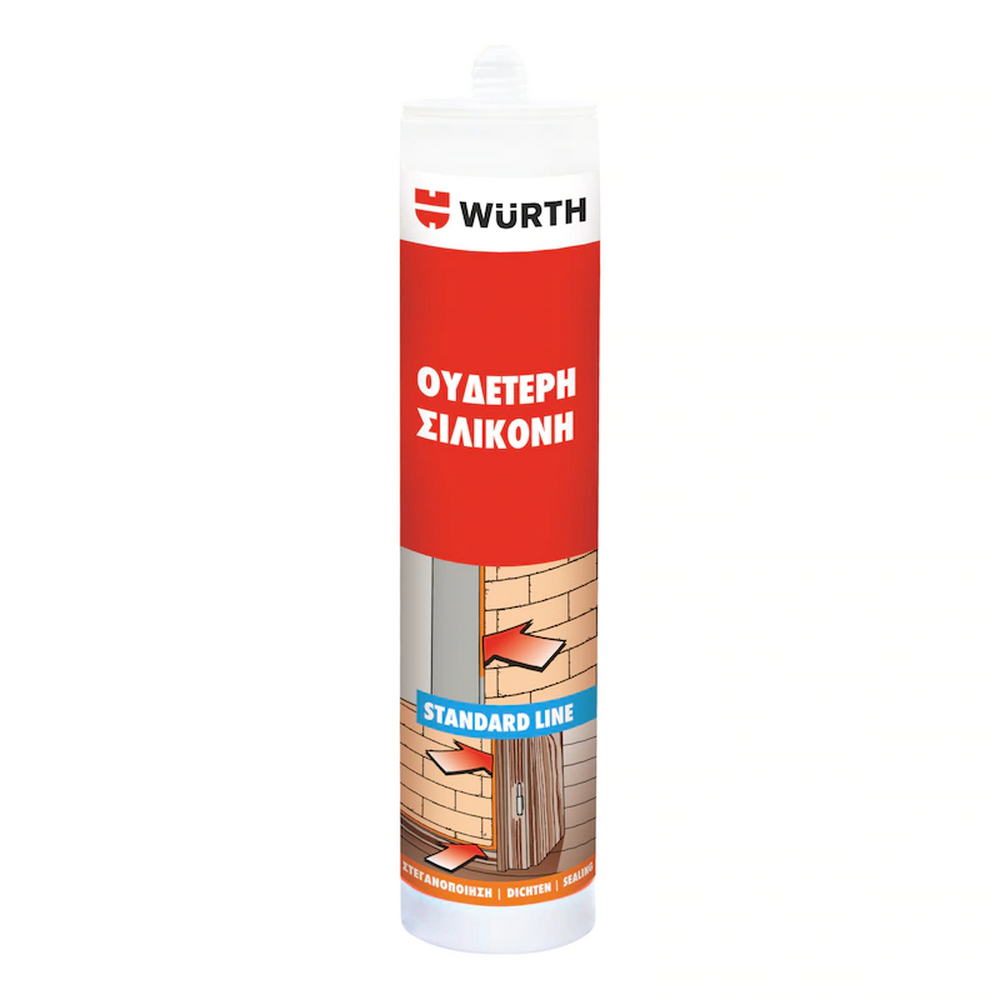
The three materials look the same inside the cartridge but behave completely differently on the joint.