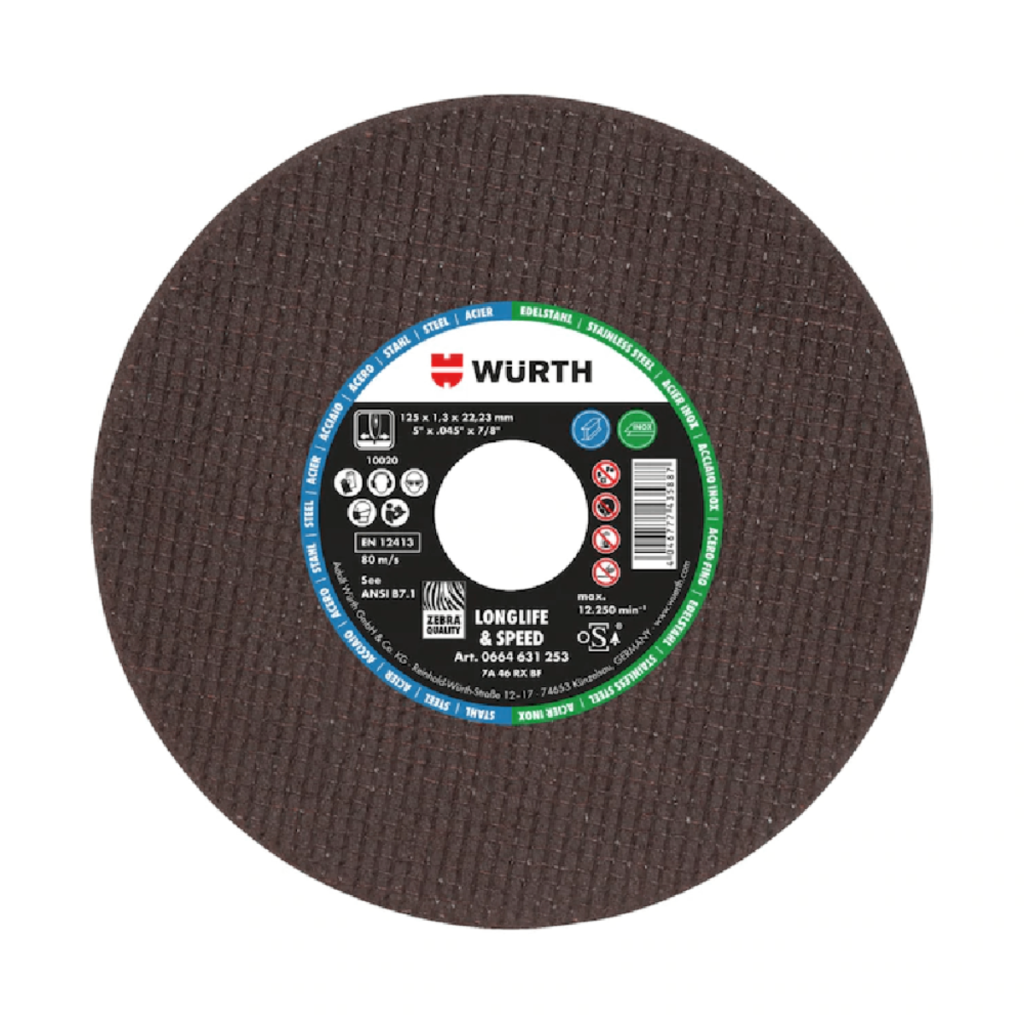
Cutting Discs: How to Read the Labelling and Which One to Choose
The label on the cutting disc is not just for decoration. Within a few centimetres of paper, there are


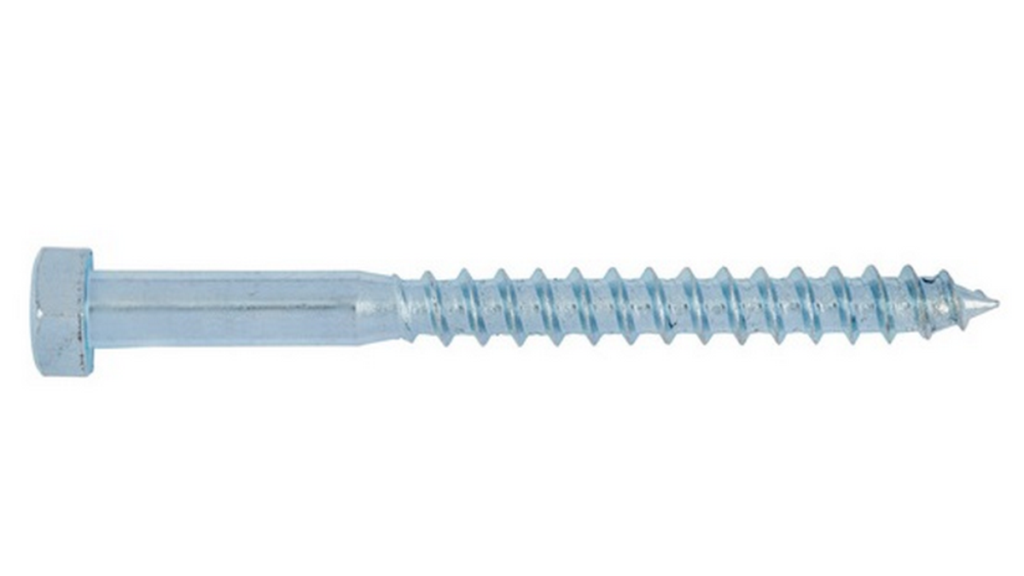
For outdoor structures away from the sea, choose A2 stainless steel screws when corrosion resistance and a clean appearance are paramount, or hot-dip galvanised screws when cost and specific mechanical requirements take precedence. In coastal environments, A4 stainless steel screws are usually the safest choice, taking into account loads, the exact level of chloride exposure and compatibility with other metals. Electrogalvanised screws are not a suitable solution for permanently exposed outdoor structures.
From professional builders to domestic applications, choosing the right fastening material is key to ensuring the longevity and safety of the project. In the guide below, the Geosantro team analyses the technical criteria for making the right choice.
| Application | Standard option | What needs to be checked |
| A covered outdoor area, away from the sea | A2 or a suitable galvanised screw | Moisture, substrate, service life |
| A structure completely exposed in the hinterland | A2 or hot-dip galvanised | Loads, coating thickness, maintenance |
| Beachfront property | Usually A4 | Exposure to chlorides, winds, metal compatibility |
| By the sea or in a sea mist | A4 or a more specific specification | Corrosion classification and technical design |
| Heavy-duty structural connection | Certified connector in accordance with the design | Durability class, coating, application standard |
| Pool area | A4 only following an assessment of conditions | Chlorides, temperature, aeration, cleaning frequency |
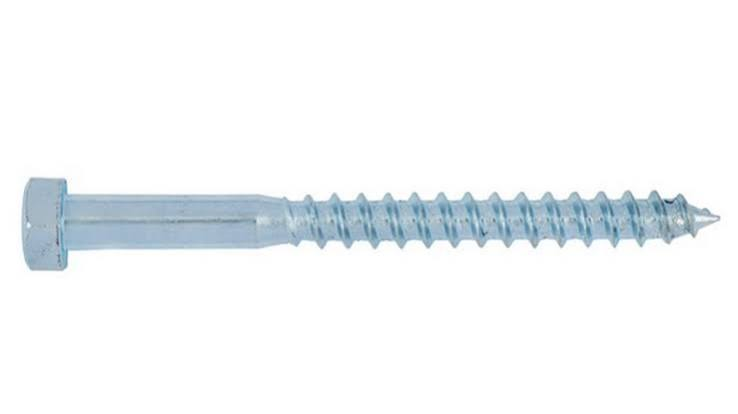
Galvanised screws are made from steel that has been coated with a layer of zinc. The zinc acts as a sacrificial anode: when exposed to a corrosive environment, it oxidises itself to protect the steel beneath.
Electro-galvanised screws, i.e. cold-galvanised screws, are primarily intended for mild or sheltered conditions and should not be equated with hot-dip galvanised screws. Hot-dip galvanising creates a much thicker and more durable coating, making these screws suitable for demanding outdoor environments, provided there is no significant presence of chlorides.
Stainless steel screws rely on the formation of a passive chromium oxide film on their surface, which regenerates in the presence of oxygen, thereby preventing corrosion.
The A2 and A4 fastener categories correspond to specific families of stainless steels, whilst their exact composition and strength class must always be confirmed by the product’s marking and certificate. Class A2 offers adequate protection for most urban applications, whilst grade A4 contains molybdenum, which increases resistance to pitting corrosion caused by chlorides.
The choice between A2 and A4 depends mainly on the presence of chlorides, the intensity of exposure and the required service life of the joint. In a coastal environment, actual exposure to sea spray is a more useful criterion than simply the distance in kilometres from the coast.
Factors such as prevailing winds, altitude and natural cleaning by rain play a crucial role. Standard galvanised screws are not the preferred solution in severe coastal environments, unless they have been specifically designed and certified for that particular corrosion category. As a general rule, A4 is usually the standard choice for coastal applications, but the final specification depends on the severity of exposure, the loads and the service life of the project.
It is vital for the design of structures to understand that corrosion resistance and mechanical strength are different properties and must be assessed separately.
Mechanical properties vary depending on the alloy and strength class. It should not be assumed that every stainless steel bolt is equivalent in yield strength to a high-strength carbon steel structural bolt. For heavy-duty structural applications, the engineer must calculate the torsional and tensile strengths of the selected fastener separately.
When two different metals come into electrical contact in the presence of an electrolyte, such as moisture or seawater, a galvanic cell is formed. The less noble metal, such as the zinc in galvanisation, will corrode at an accelerated rate compared to the more noble metal, such as stainless steel.
The rate of corrosion depends on the difference in electrochemical potential, the duration of contact and the relative surface area of the metals. The rule of thumb is: Limit contact between dissimilar metals or use suitable electrical insulation, such as special insulating washers or gaskets.
The main difference lies in the chemical composition. The A4 grade contains molybdenum, which offers significantly higher resistance to corrosion by chlorides, such as sea salt, compared with A2. The choice between A2 and A4 depends mainly on the presence of chlorides and the required service life of the connection.
Yes. Stainless steel is protected by a thin film that requires oxygen to be maintained. If the screw becomes trapped in a damp, unventilated environment, such as stagnant water, it may corrode. Furthermore, the use of ordinary iron tools may leave filings that cause surface rust.
Direct contact between stainless steel and galvanised steel, in the presence of moisture, causes galvanic corrosion, accelerating the deterioration of the zinc coating. Minimise contact between dissimilar metals or use suitable electrical insulation, such as special synthetic sealing washers.
Corrosion resistance and mechanical strength are different properties. Many stainless steel screws have a lower yield strength than hardened steel screws. To prevent breakage when screwing into hard timber, it is essential to pre-drill a suitable pilot hole.
The label on the cutting disc is not just for decoration. Within a few centimetres of paper, there are
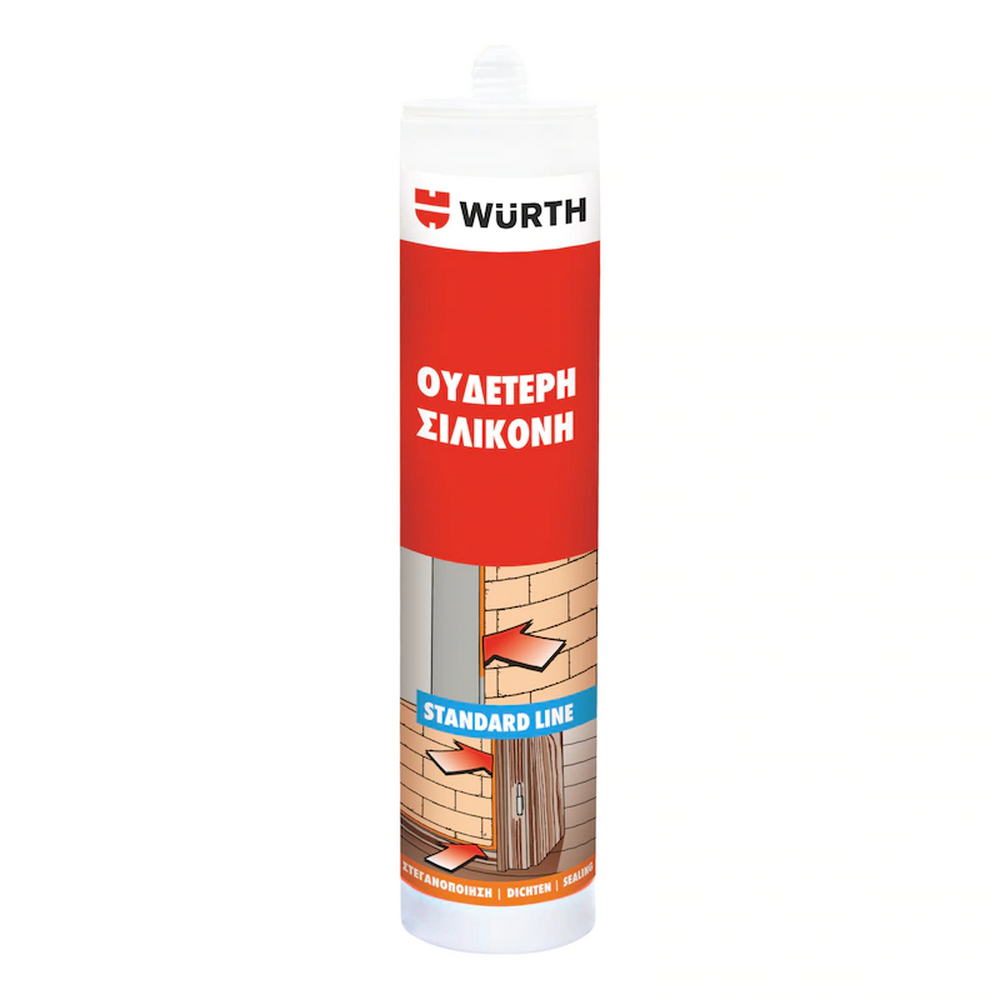
The three materials look the same inside the cartridge but behave completely differently on the joint.