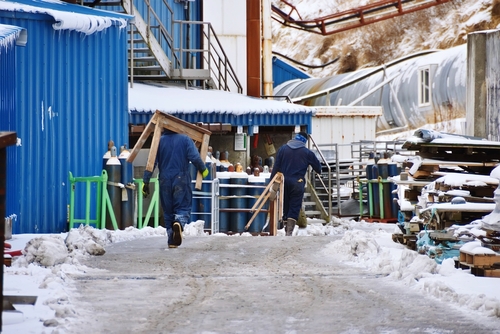
Imagine working on scaffolding or in an open warehouse with temperatures near zero. Your fingers go numb, your body shivers, and your attention is distracted. Proper protection in the workplace during winter is not just a matter of comfort; it's a matter of survival and productivity.
The biggest challenge professionals face is balance: How to stay warm and dry without sacrificing the flexibility of movement your work requires? Heavy clothing often restricts, while lightweight clothing doesn't provide adequate protection.
In this guide, we'll analyze the selection criteria for the best winter work clothes. We'll examine materials, safety standards, and suggest specific solutions by profession. Investing in appropriate clothing is an investment in your health and safety.
Why You Need Special Winter Work Clothes
Using inappropriate clothing in professional spaces can have serious consequences.
The Dangers of Cold Exposure
- Hypothermia and frostbite: Prolonged exposure to low temperatures, especially when combined with humidity, can drop body temperature to dangerous levels.
- Reduced perception and reflexes: Cold slows reaction time, increasing the risk of operating machinery.
- Musculoskeletal injuries: Cold muscles ("stiffness") are more prone to strains and bruises during work.
- Statistics: A significant percentage of workplace accidents in winter are due to slips or inability to properly handle tools due to cold hands.
The Difference From Classic Winter Clothes
A ski jacket or a simple hoodie isn't enough for the construction site. Special work clothes offer:
- Safety standards (EN/ISO): Certified protection from cold and rain.
- Durability: Resistance to abrasion, tears, and hard use that conventional clothing doesn't have.
- Functionality: Special pockets, tool loops, and high visibility materials (High Vis) for safety in low-light conditions.
Selection Criteria For Winter Work Clothes
Before buying, examine the following features to ensure the best possible choice.
Insulation and Thermoregulation
The key is heat management.
- Layering System: Best practice. Base layer (thermal) for sweat management, Mid layer (fleece/vest) for insulation, Outer layer (jacket/softshell) for weather protection.
- Breathability: If clothing doesn't "breathe," sweat will freeze on your body, causing chills. Look for moisture-wicking materials.
Materials and Technologies
- Outer fabrics: Cordura and Ripstop polyester offer excellent tear resistance. For waterproofing, Gore-Tex type membranes or PU coatings are essential.
- Insulating materials: Thinsulate and PrimaLoft offer warmth without bulk. Synthetic material is preferred over natural down, as it retains its insulating properties even when wet.
- Interior: Fleece and Merino wool are ideal for trapping heat close to the body.
Durability and Resistance
Work clothing must withstand. Check for:
- Reinforced seams (double or triple).
- Extra fabric at knees (with pockets for kneepads) and elbows.
- Hydrophobic coatings (DWR) that repel water and stains.
Safety and Standards
Look for labels with European Standards:
- EN 342: Clothing protection against cold (below -5°C).
- EN 343: Protection against rain (waterproofing and breathability).
- EN ISO 20471: High visibility clothing (essential for road work/airports).
Ergonomics and Practicality
- Freedom of movement: Stretch fabrics (elastane) to bend and stretch comfortably.
- Functionality: Zippered pockets so you don't lose items, adjustable cuffs and hoods that fit over helmets.
Essential Winter Work Clothing Items
Work Jackets
The most important piece of equipment. Can be Parka (for very cold and stationary work) or Softshell (for active work, as it offers better movement and breathability). Find more.
Work Pants and Coveralls
- Insulated Pants: Pants with fleece lining.
- Bib Overalls: Offer better warmth to the torso and protect the waist when bending.
- Features: Kneepads pockets and multiple pockets are essential.
Find more trousers & work forms.
Protective Accessories
- Gloves: Choose gloves with thermal lining but good dexterity. If you use touchscreens, choose touchscreen compatible. Find more.
- Safety Boots: Insulation (Thinsulate), waterproof membrane, and anti-slip sole (SRC) for ice and mud are essential. Find more.
The Best Work Clothes By Professional Category
For Outdoor Work (Construction, Road Work)
You need maximum durability and waterproofing.
- Recommendation: 3-layer system with high-visibility waterproof jacket and Cordura pants.
For Warehouses and Logistics
Workers here are constantly moving or driving forklifts, going in and out of cold and warm spaces.
- Recommendation: Work vests (bodywarmers) and softshell jackets that remove easily. Lightweight S3 boots.
For Industries and Factories
- Recommendation: Clothing resistant to tears from machinery. If there's a risk of heat/sparks, special flame-retardant (FR) winter clothing is required.
For Agriculture and Livestock
- Recommendation: Full coveralls (overalls) that wash easily and rubber boots with lining for protection from mud and moisture.
For Transportation and Drivers
- Recommendation: Comfortable clothing that doesn't constrict the waist while driving. Fleece vests and bomber jackets that aren't too long to avoid interfering with the seat.
Buying and Selection Tips
How to Choose the Right Size
Don't buy clothing too tight. You need a little "air" between skin and clothing for insulation to work and to fit the base layer (thermal) underneath.
Seasonal Offers and Budgeting
Invest the most money in the "heavy" items: Jackets and Boots. That's where quality makes a difference to your health. For layers, you can find economical but quality solutions.
Brands and Manufacturers
Prefer recognized brands in the Workwear space that provide certifications, not just fashion clothing.
Care and Maintenance
- Washing: Wash waterproof clothing at low temperatures and avoid fabric softener, as it destroys breathable membranes.
- Storage: Ensure clothing is completely dry before storing to avoid mold.
- Replacement: If safety clothing has torn, it loses its insulating and protective properties and must be repaired or replaced immediately.
The Best Winter Work Clothes (Purchase Recommendations)
Based on quality and durability criteria, we've selected the following choices from Geosantro:
- Work Jacket: ANTARES JACKET

ANTARES WORKING COAT Lightweight - Durable - With detachable sleeves - Multifunctional
Ideal for complete protection, with excellent insulation and weather resistance.
2. Work Pants: Next 400 Stretch Unisex Trousers

WORKING PANTS NEXT 400 STRETCH (UNISEX) All-Season - Stretch - Multifunctional - Reinforced - Professional
Combines durability with stretch technology for absolute freedom of movement, even when wearing thermals underneath.
3. Work Coverall: Promotech Work Coverall
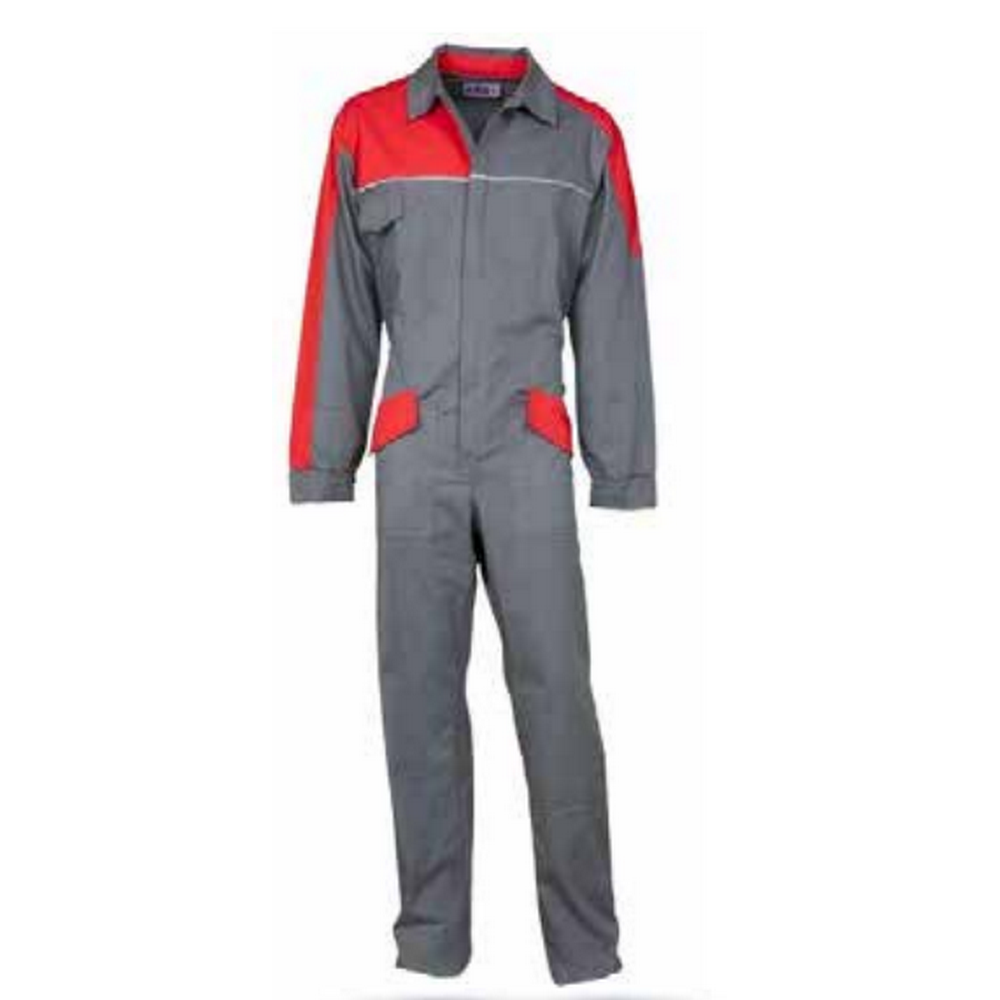
PROMOTECH WORKING FORM Two-tone - Durable - Ergonomic - High visibility
Classic choice for full body coverage, ideal for mechanics and agricultural work.
4. Work Vest: Fleece Vest
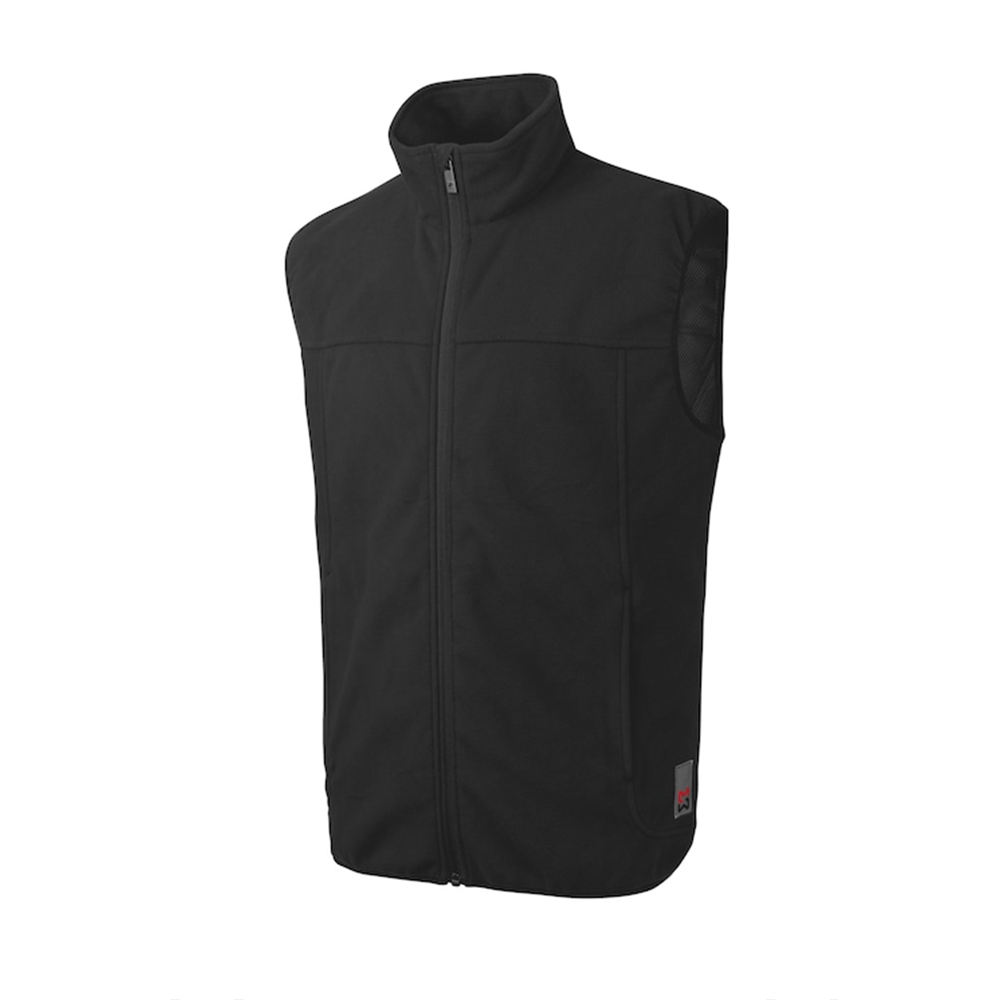
FLEECE WORK GILETTE Warm - Comfortable - Thermo adjustable - With reflective details
The perfect mid-layer. Keeps the torso warm without restricting the arms.
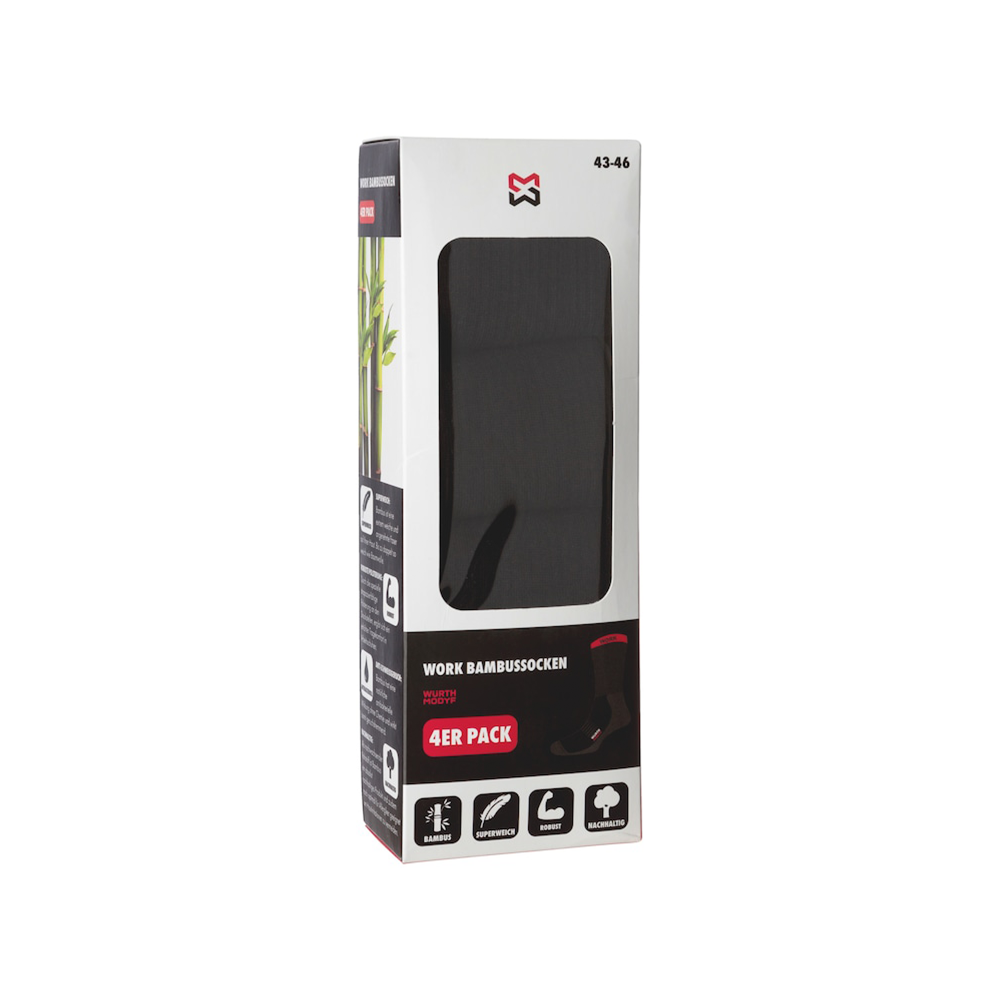
5. Work Socks: Bamboo Robust Socks
Bamboo offers natural antibacterial protection and excellent moisture management for dry feet.
6. Safety Boot: S3 HELIOS Safety Boot

S3 Helios Safety Boot - Lightweight, Flexible & Premium Comfort for Everyday Work
S3 category for waterproofing and protection, ideal for difficult ground conditions.
Conclusion
Choosing the right work clothes for winter is not a luxury, but a necessity. The right equipment protects your health, reduces accident risk, and increases your work performance.
Before winter hits hard, evaluate your equipment. Check your jackets, pants, and boots. Don't wait for the first bad weather to equip yourself. Invest in quality today to work safely and comfortably tomorrow.