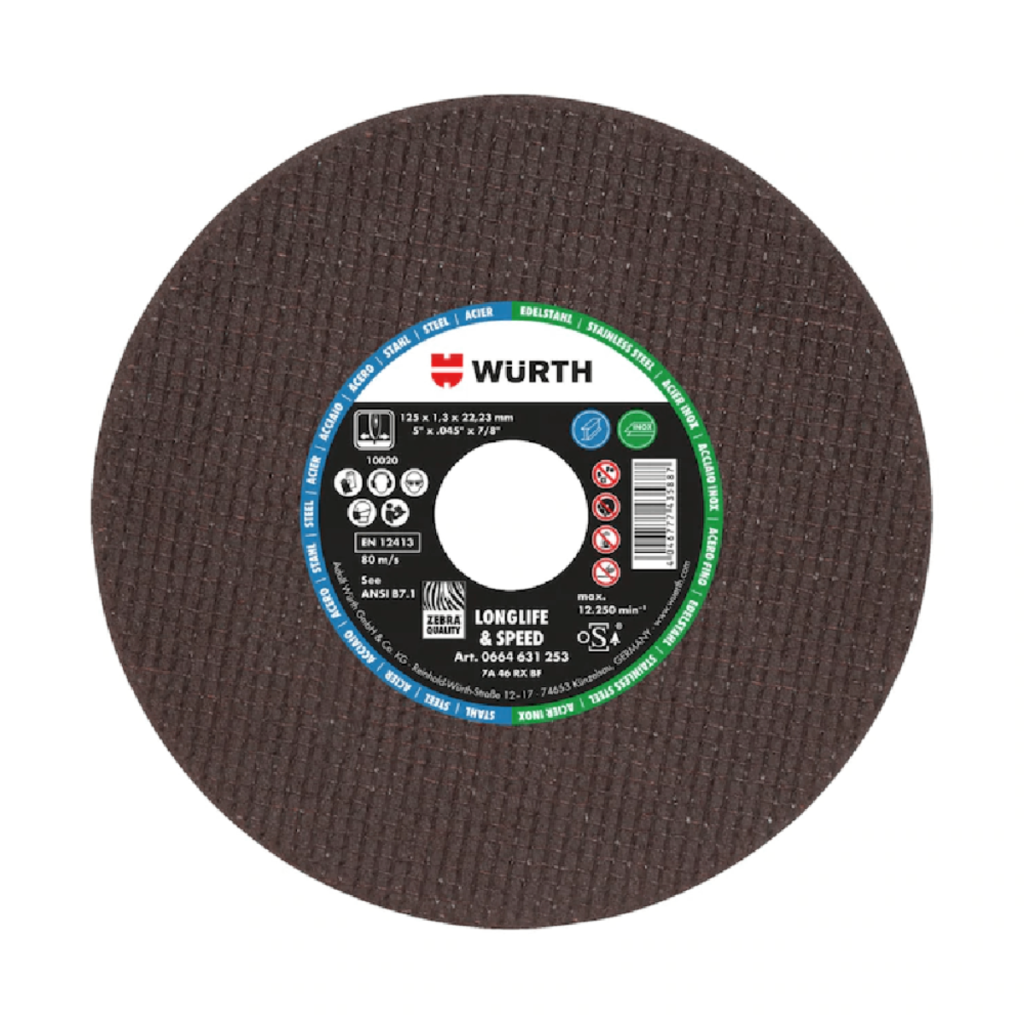
Cutting Discs: How to Read the Labelling and Which One to Choose
The label on the cutting disc is not just for decoration. Within a few centimetres of paper, there are



Imagine George, an experienced craftsman at a construction site in Limassol. During a simple sheet metal transfer, his glove slips. He's not wearing the right size, nor the appropriate material for grip. Result? A deep cut requiring stitches that keeps him out of work for two weeks. This scenario is unfortunately very common and completely preventable.
Our hands are the most valuable and irreplaceable "tool." From delicate assembly to heavy construction work, hands are exposed daily to mechanical, chemical, and thermal hazards. So how do we protect them effectively?
In this complete guide, we'll analyze everything you need to know before buying work gloves: from understanding materials and safety standards (EN Standards), to choosing the right size for each profession. Our goal is to make safety a priority by selecting the correct Personal Protective Equipment (PPE).
Wearing protective gloves is not a luxury, but a necessity. According to international statistics, approximately 30% of workplace accidents involve hand injuries. In Cyprus, the Department of Labour Inspection frequently emphasizes the importance of prevention, as an injury doesn't only have a physical cost.
Employers have a legal obligation, based on Cypriot Legislation for Health and Safety at Work, to provide appropriate PPE. However, workers are also obligated to use them. The cost of purchasing a quality pair of gloves is negligible compared to the cost of medical care and lost wages (downtime).
The Cyprus Workers' Insurance Organization (KOAE) frequently records accidents arising from:
To choose correctly, you need to know how to "read" the glove label. European Norms (EN) define minimum safety requirements.
This standard is the foundation. It stipulates that gloves must be ergonomically designed, not contain harmful substances, have proper marking (pictograms), and respect sizes.
The most common symbol (hammer). Below the icon are 4 digits and 1-2 letters (e.g., 4X42D):
Material choice determines the balance between durability, tactile feel, and cost.
Used mainly in the food industry (butchers) for absolute protection from knives.
Which glove suits your work?
Hazards include sharp objects, bricks, and cement.
Sharp metals and oils dominate here.
The risk is electrocution.
Safety starts with fit. A too-tight glove causes fatigue, while a loose glove reduces touch sensitivity and can get caught in moving parts.
How to measure: Measure the circumference of your palm (without the thumb) at its widest point using a tape measure.
Size Chart (Indicative):
Tip: For precision work, choose "tight fit." For work requiring frequent removal, prefer a more comfortable fit.
In the glove market, it's the details that make the difference:
To maintain performance and safety:
Based on Würth quality and market needs, we recommend these top choices from Geosantro:
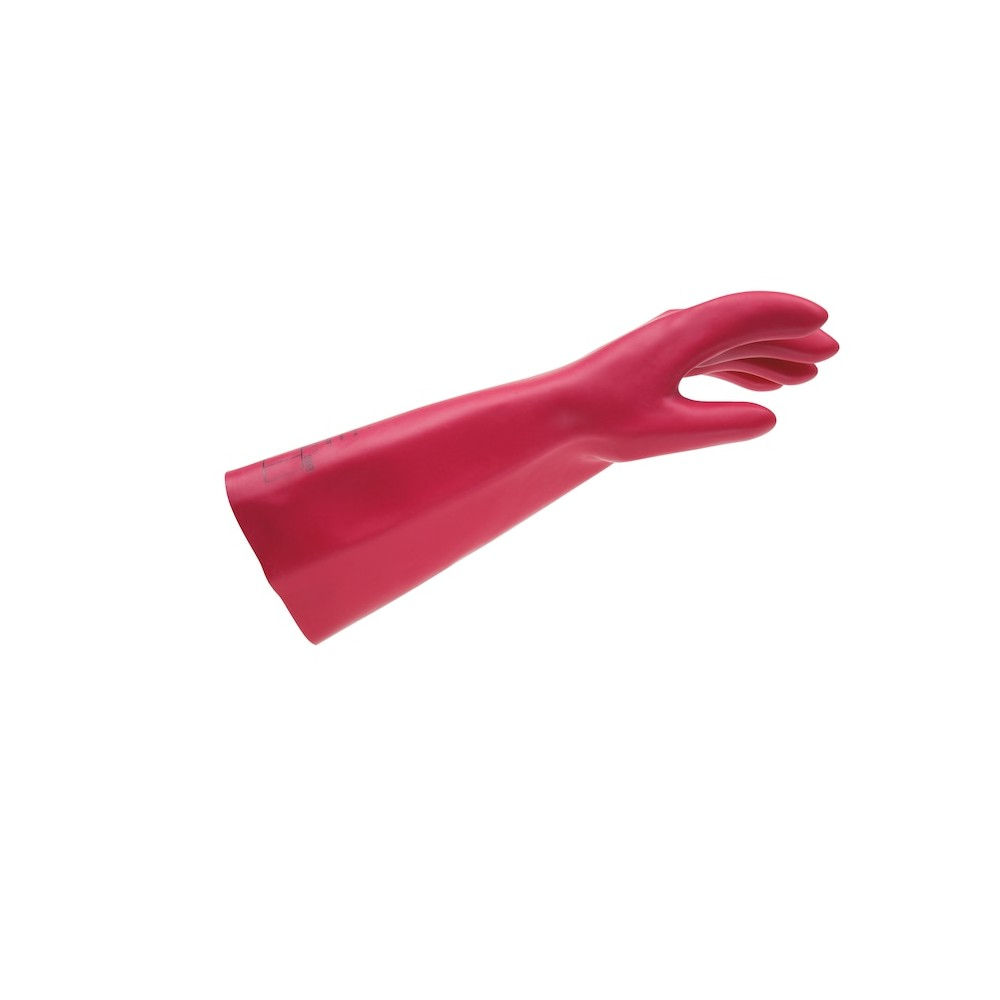
Essential protection for live work up to 1000V. Certified safety for every professional electrician.
2. For Precision Work & Summer
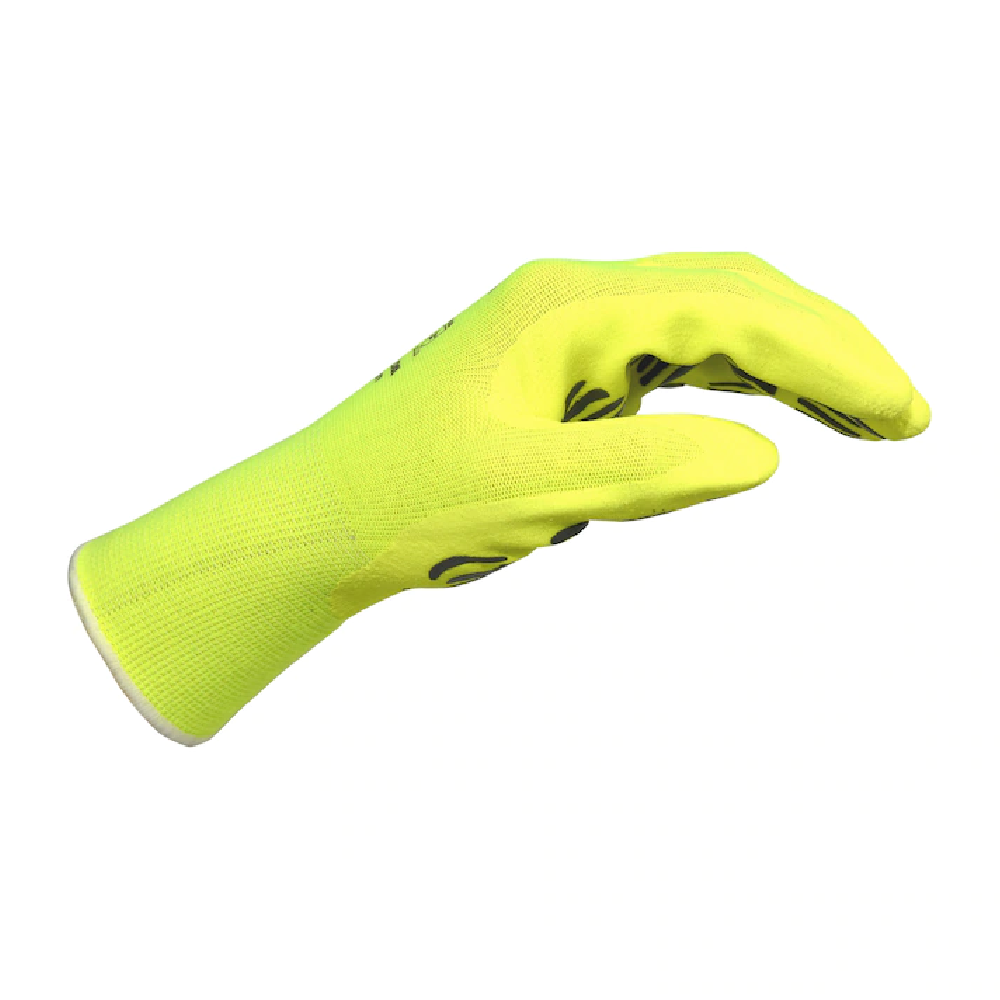
Extremely lightweight and breathable. Ideal for Cyprus climate, offering perfect fit and tactile feel.
3. The Economical General-Purpose Solution
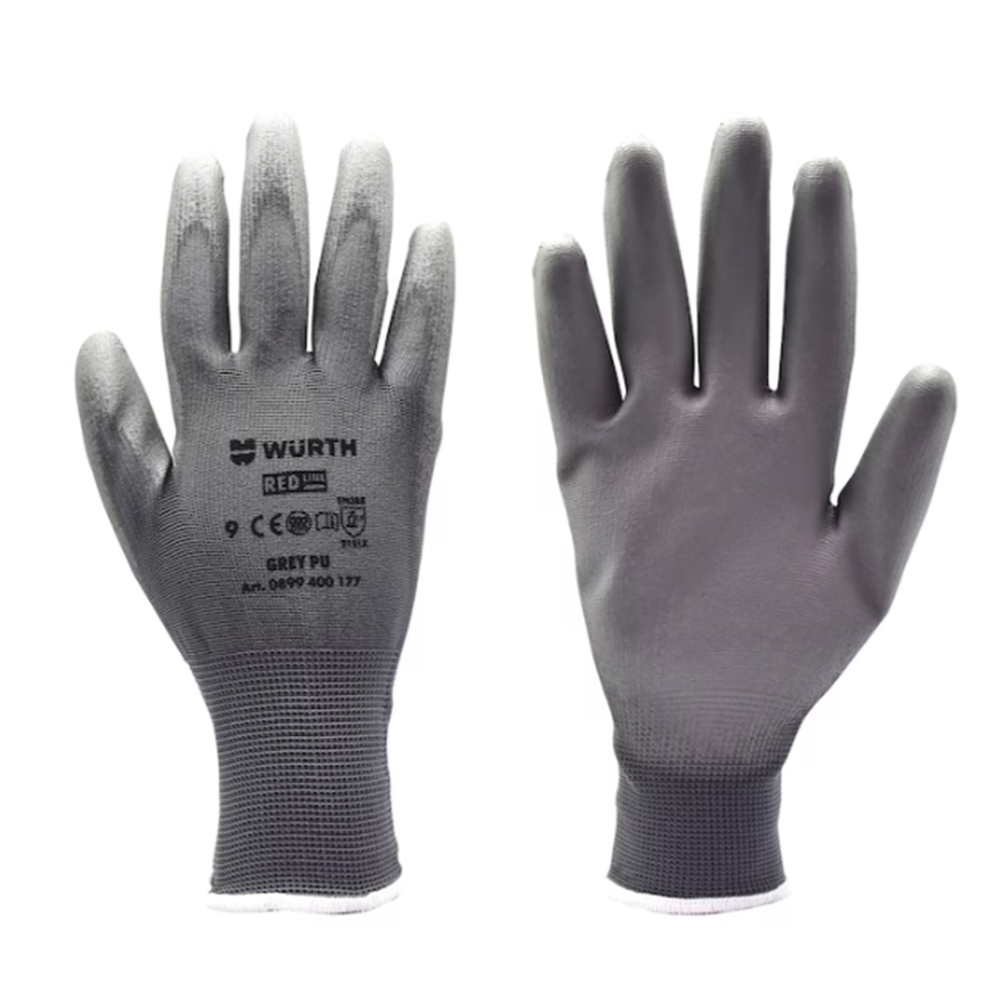
PES/PU Grey Work Gloves No 9 Durable and flexible with polyurethane coating. The best-seller choice for light assembly and warehouse work.
4. For Heavy Work
5. For Oils & Chemicals

Full nitrile coating for waterproof protection and resistance to oils and grease. Ideal for mechanics and industrial use.
For guaranteed quality and professional service, Geosantro is the premier destination. As the official Würth partner in Cyprus, we offer solutions trusted by professionals worldwide.
Don't wait for an accident. Visit our category Protective Gloves now and take advantage of our online offers!
Choosing the right work gloves is not just a purchase, it's an investment in your health and productivity. Whether you're a construction professional, mechanic, or electrician, your hands deserve the best protection. At Geosantro, with Würth quality, we ensure you return home safely every day.
Find the ideal gloves for your needs at Geosantro today!
The label on the cutting disc is not just for decoration. Within a few centimetres of paper, there are
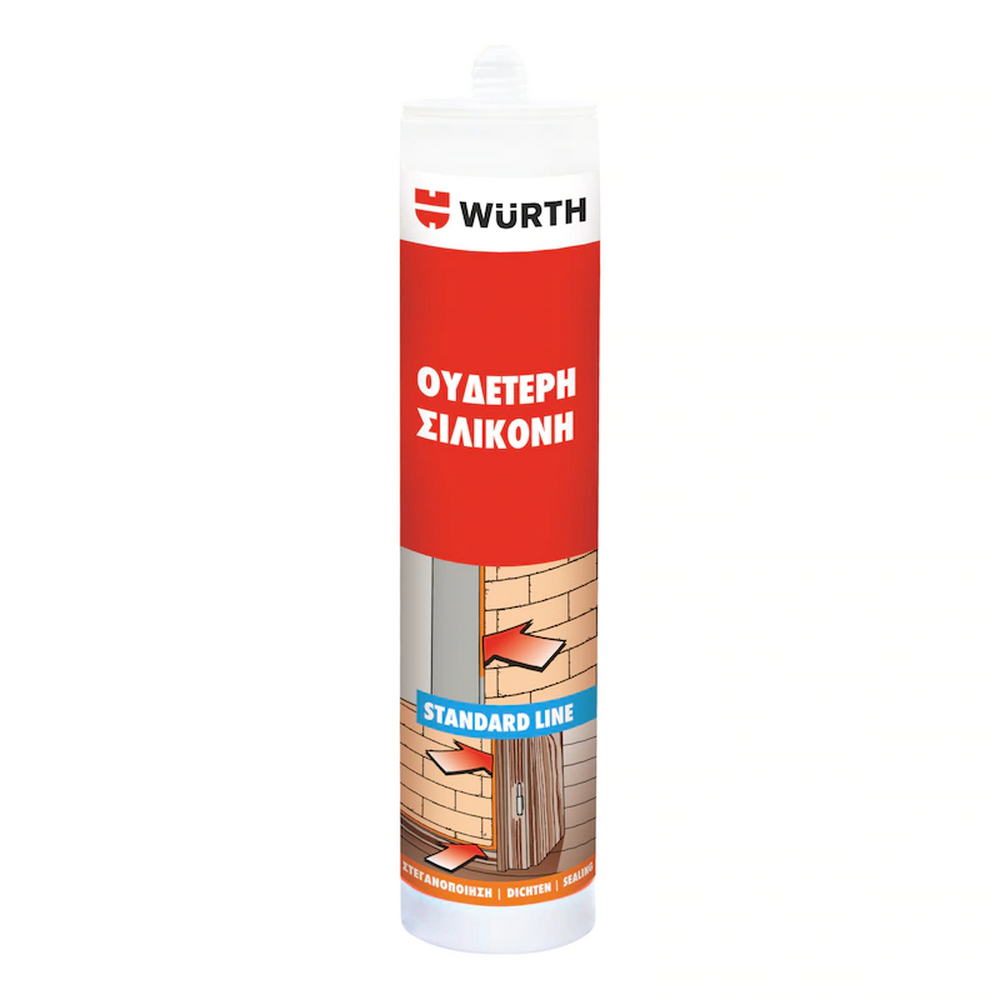
The three materials look the same inside the cartridge but behave completely differently on the joint.