Plumbing is a trade as old as civilization, yet its tools continue to evolve. Far more complex than just a wrench and a plunger, the modern plumber’s toolbox is a sophisticated arsenal of specialized instruments designed to handle everything from minor leaks and stubborn clogs to installing entire water and drainage systems. This article delves into the essential equipment that every professional plumber relies on to keep the water flowing safely and efficiently.
General-Purpose Tools: The Daily Drivers
These are the tools that form the backbone of a plumber's everyday work. They are versatile, rugged, and indispensable for countless tasks involving tightening, loosening, and manipulation of components.
Wrenches and Pliers: The Gripping Power
The sheer variety of fittings and pipe sizes in plumbing requires a specialized collection of gripping tools.
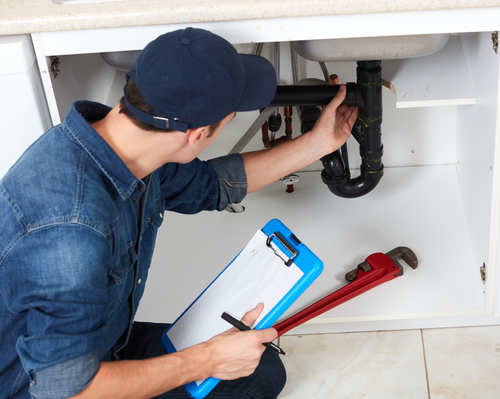
- Pipe Wrenches: These are the iconic tools of the trade. Designed with adjustable, serrated jaws, they provide an unyielding grip on cylindrical surfaces like pipes and nuts. They are essential for turning and holding larger, threaded connections. Plumbers often carry several sizes to accommodate various pipe diameters.
- Adjustable Wrenches: Offering precision and versatility, these are used for nuts and bolts where a gentler, non-marring grip is required, often on finished fixtures. Find more.
- Tongue-and-Groove Pliers: In Greece, often referred to as 'Gkazotanalia' (gas pliers), these adjustable pliers offer multiple jaw positions to grip objects of various sizes, providing immense leverage for gripping and turning pipes, nuts, and fittings. They are arguably the most frequently used tool for general assembly and disassembly. Find more.
- Mole Grips: Locking pliers that can be clamped onto a fitting to provide a hands-free, extremely tight grip, useful when a plumber needs to apply force or stabilize a component. Find more.
Screwdrivers and Fasteners
While seemingly simple, a comprehensive set of screwdrivers is crucial for assembling and disassembling a wide range of plumbing fixtures, valves, and components that involve screws and bolts.
- Set of Screwdrivers: Plumbers require a complete set including flat-head (slotted) and Phillips-head screwdrivers in various lengths and tip sizes. They are used for everything from securing cabinet fixtures to removing access panels and working on internal valve mechanisms. Find more.
- Nut Drivers and Hex Keys: Essential for working with hexagonal fasteners and internal screws commonly found in toilet mechanisms, faucets, and appliance hookups. Find more nut drivers.
Cutting and Joining Tools: Shaping the System
A plumber needs to accurately cut pipe materials—whether it's copper, PVC, PEX, or steel—and then securely join them to create a leak-proof system.
Pipe Preparation Tools
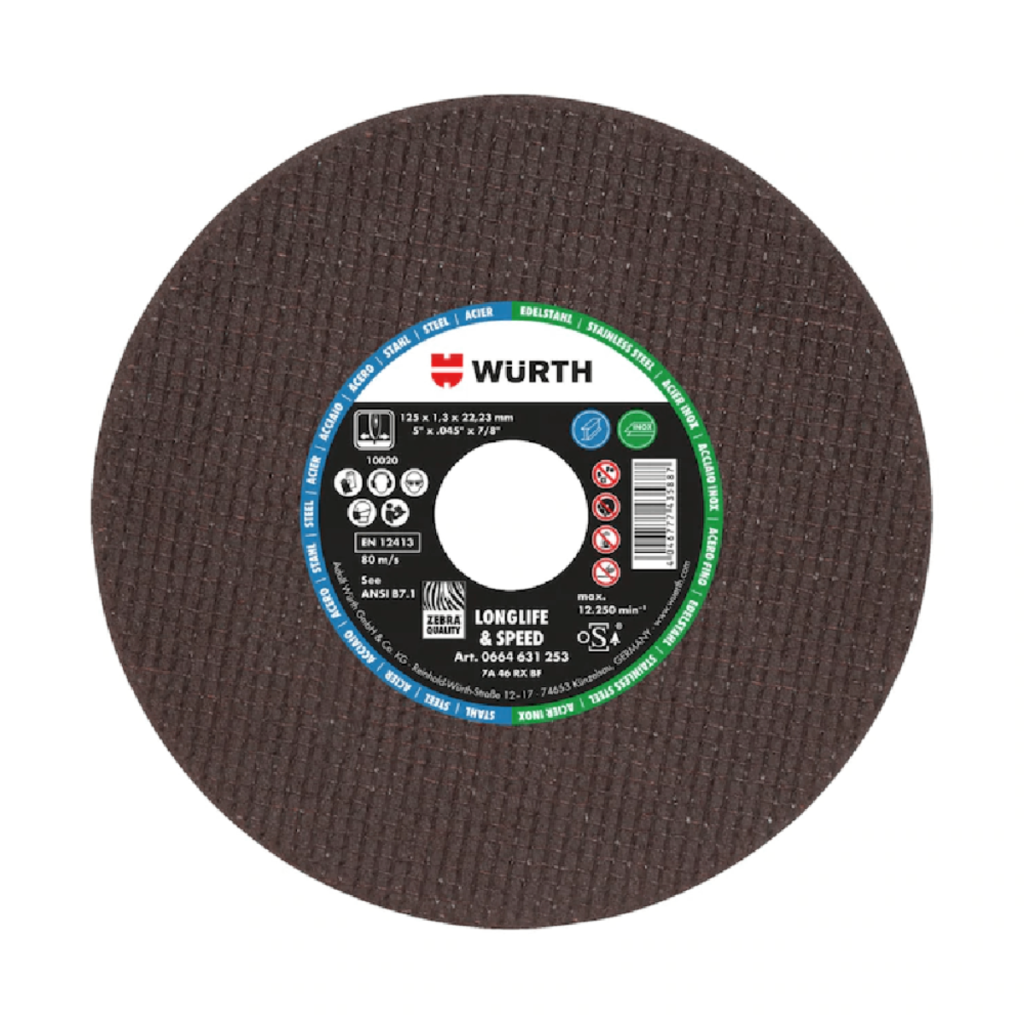
- Hacksaws and Reciprocating Saws: Used for cutting larger or tougher materials, such as cast iron or thick plastic pipe, especially in demolition or renovation work. Find more.
- Pipe Cutters: These specialized tools provide a clean, square, burr-free cut, which is critical for proper pipe sealing. Different types exist for copper, steel, and plastic. For copper, a small wheel scores and cuts the pipe, ensuring a perfect edge.
- Deburring Tools: After a pipe is cut, the inside and outside edges often have burrs that restrict flow and can damage seals. Deburring tools, often incorporated into cutters or as separate reamers, are used to smooth these edges.
Connecting and Assembly Tools
- Crimping and Pressing Tools: Increasingly common, especially with PEX and modern connection systems, these tools use dies to securely crimp or press a fitting onto a pipe, creating a fast, reliable, and flame-free connection.
Soldering and Brazing Equipment (Thermal Welding)
For traditional copper pipe installations, soldering is the standard method for a durable, leak-proof joint.
- Propane/MAPP Gas Torches and Kits: These torches provide the necessary heat to melt solder (a metal alloy) into a pipe joint. The flame must be precisely controlled to avoid overheating the copper, which can compromise the integrity of the connection.
- Solder and Flux: Solder is the filler material, and flux is a chemical cleaning agent applied to the pipe and fitting before heating, ensuring the solder flows smoothly and adheres properly
- Abrasive Cloth and Brushes: Used to meticulously clean and polish the surfaces of copper pipes and fittings before flux is applied, as clean metal is essential for a good soldered joint.
Clog and Cleaning Tools: Restoring the Flow
One of the most frequent calls a plumber receives is for a blocked drain. Specialized tools are required to diagnose and eliminate stubborn blockages deep within the plumbing system.
Mechanical Unclogging Tools
- Plumber’s Snake (Drain Auger/Electric Eel): This is the quintessential tool for drain cleaning. It is a long, flexible metal cable with a coil or cutter head on the end. The plumber feeds it into a drain to mechanically break up or retrieve blockages (such as hair, grease, or roots).
- Hand Augers: Smaller, manually operated snakes for sink and toilet drains.
- Electric/Motorized Drain Cleaners: Heavy-duty machines that power larger, longer snakes for main sewer line blockages.
- Force-Cup Plungers: While simple, a high-quality plunger is the first line of defense, using hydraulic pressure to dislodge nearby clogs.
Advanced Clearing and Diagnostics
- Hydro-Jetting Machines (Pressure Pumps): For tough clogs, especially in main sewer lines caused by heavy grease or mineral buildup, a hydro-jetter uses highly pressurized water (up to 4,000 PSI or more) to scour the inside of the pipes, restoring them to near-original capacity. They are also used for sanitation/disinfection in certain internal networks.
- Drain Inspection Cameras (Micro-Cameras): This is a game-changing diagnostic tool. The plumber inserts a small, waterproof camera (often with a light source) on a flexible cable deep into the pipes. This allows them to accurately pinpoint the exact location and cause of a blockage, pipe damage, or a persistent leak without resorting to unnecessary excavation.
Sealing and Testing Equipment: Ensuring Integrity
A plumber's job is not complete until the system is proven to be leak-free and structurally sound. This requires specific sealing materials and testing equipment.
Sealing and Joint Protection
- Sealing Tapes (PTFE/Teflon Tape): A thin, white film wrapped around the threads of pipe joints to lubricate them and prevent leaks in threaded connections. Essential for almost all threaded plumbing installations. Find more.
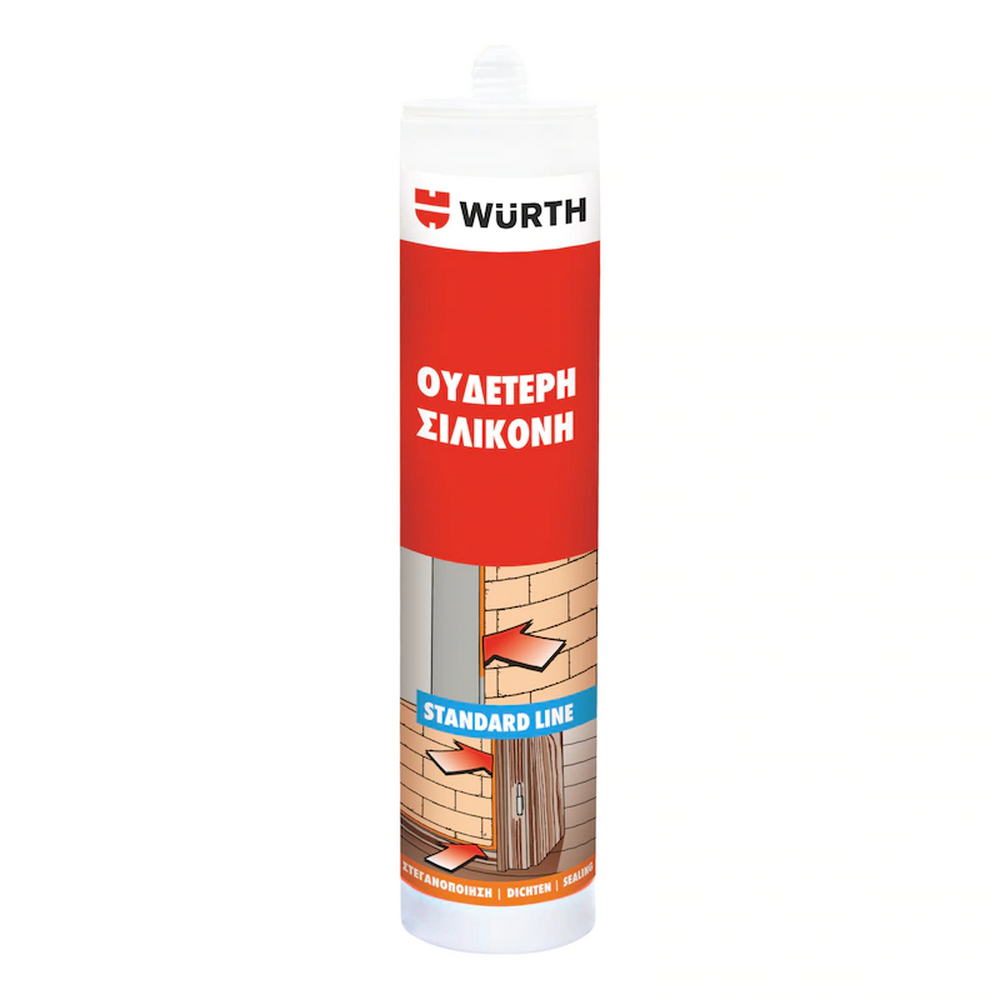
- Pipe Dope/Sealant Paste: A compound applied to threads, often in conjunction with PTFE tape, that hardens slightly to provide an additional layer of sealing and lubrication for a watertight connection.
- Plumber’s Putty: A soft, pliable, and non-hardening sealant used under the rims of sink strainers, faucets, and other fixture bases to prevent water from seeping through.
Pressure and Integrity Testing
- Test Plugs (Taps for Testing): Rubber or inflatable plugs inserted into open pipe ends (like a clean-out or a drain pipe) during the installation of a new system. These allow the plumber to temporarily seal the lines.
- Pressure Gauges and Testers: Once the system is temporarily sealed with test plugs, a plumber uses a pump and gauge to pressurize the water or air inside the pipes. By monitoring the gauge over a period, they can confirm the system's ability to hold pressure, thus proving its watertight integrity and ensuring there are no hidden leaks before walls are closed up. This is a mandatory step in many building codes for new installations.
Conclusion
The plumber's toolkit is a dynamic collection of precision instruments. From the brute force of a pipe wrench and the heat of a soldering torch to the high-tech precision of a micro-camera and a hydro-jetter, each tool plays a critical role. A true professional doesn't just own these tools; they understand the when and how of their application, ensuring that water systems are installed, maintained, and repaired with expertise, safety, and durability. The successful management of the most vital resource—water—relies directly on the skill of the tradesperson and the quality of their comprehensive arsenal.